Wondering what to do before you list a South Kohala property? A strong first impression matters even more in West Hawaiʻi, where buyers notice moisture issues, exterior wear, and condo document gaps quickly. If you want your home or condo to look well cared for and feel easy to own, a focused pre-listing plan can save time and reduce stress. Let’s dive in.
Start With Moisture And Wear
In South Kohala, small maintenance issues can stand out fast in photos and showings. Hawaiʻi’s humid climate can lead to mold and mildew in damp areas, and marine exposure can speed up corrosion on exterior metals and finishes.
Before you schedule photography, walk through the property with fresh eyes. Look for stains, musty odors, peeling paint, or spots that suggest an unresolved leak. Mold can grow on organic materials that stay wet for more than 24 hours, so moisture issues are worth addressing early.
For many sellers, the highest-impact fixes are also the simplest. Patch nail holes, touch up paint, replace burned-out bulbs, tighten loose hardware, and clean vent covers, caulk, and grout.
Pay extra attention to bathrooms, laundry areas, windowsills, and rooms near lanais. These are common places for mildew to show up in damp conditions, and they tend to be easy for buyers to notice.
Check Lanais And Exterior Fixtures
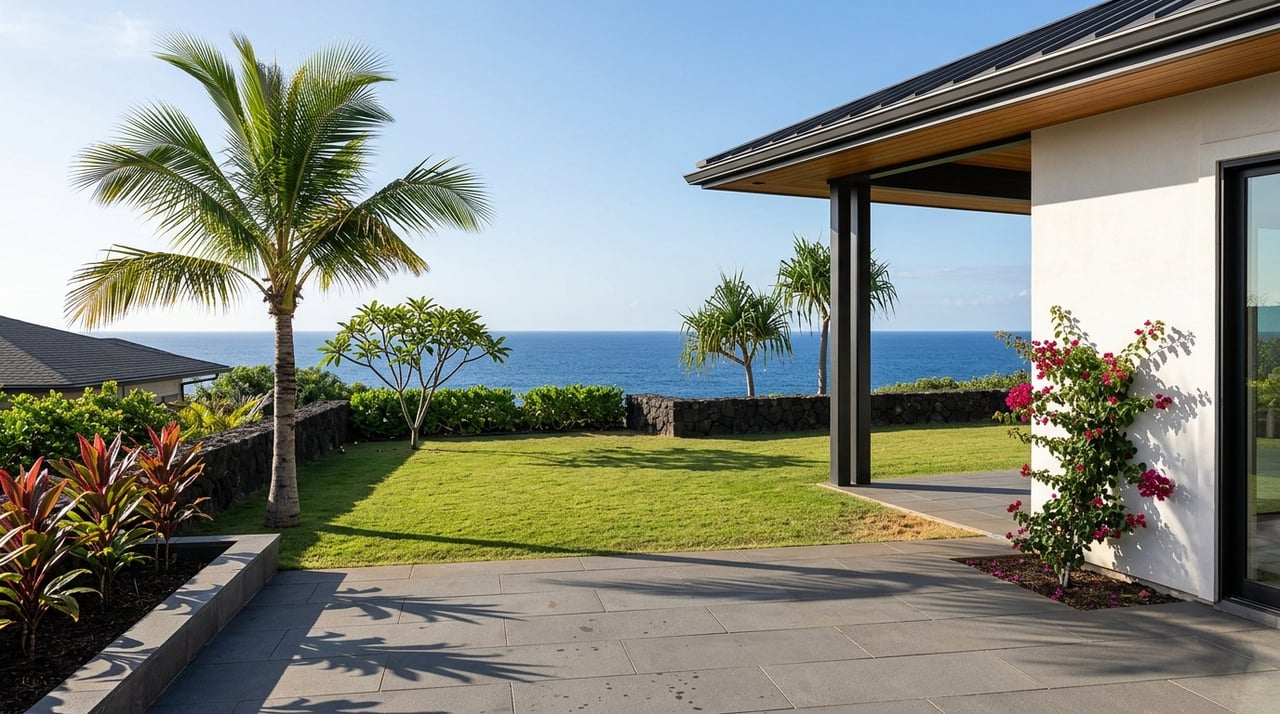
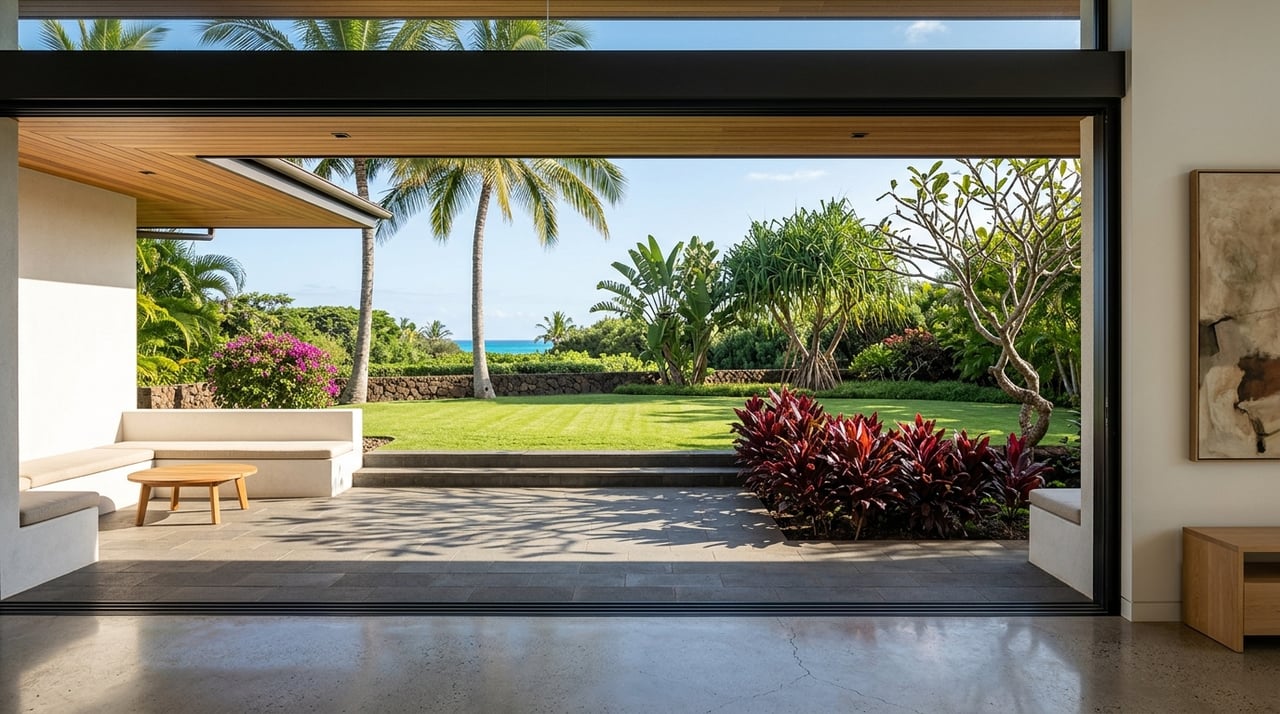
Outdoor living is a major part of the South Kohala lifestyle, so buyers will look closely at lanais and exterior details. Salt residue and corrosion can make even a well-kept property feel more worn than it is.
Clean railings, fans, light fixtures, and patio furniture thoroughly. If you see rust, surface damage, or buildup from sea salt, deal with it before photos and showings.
Focus On Photo-Ready Cosmetic Fixes
Listing photos highlight every small detail. A missing bulb, dinged wall, or dirty grout line may not feel important day to day, but it can pull attention away from the home’s best features online.
Create a simple punch list and complete it before your media day. This helps your home read as maintained, clean, and move-in ready.
Quick Cosmetic Checklist
- Patch nail holes and minor wall scuffs
- Touch up interior paint where needed
- Replace all burned-out light bulbs
- Tighten loose cabinet pulls and door hardware
- Clean grout, caulk lines, and vent covers
- Remove mildew from showers, windowsills, and AC areas
- Investigate leaks, stains, and musty odors
- Wipe down lanai fixtures and exterior surfaces
Improve Curb Appeal The Hawaiʻi Way
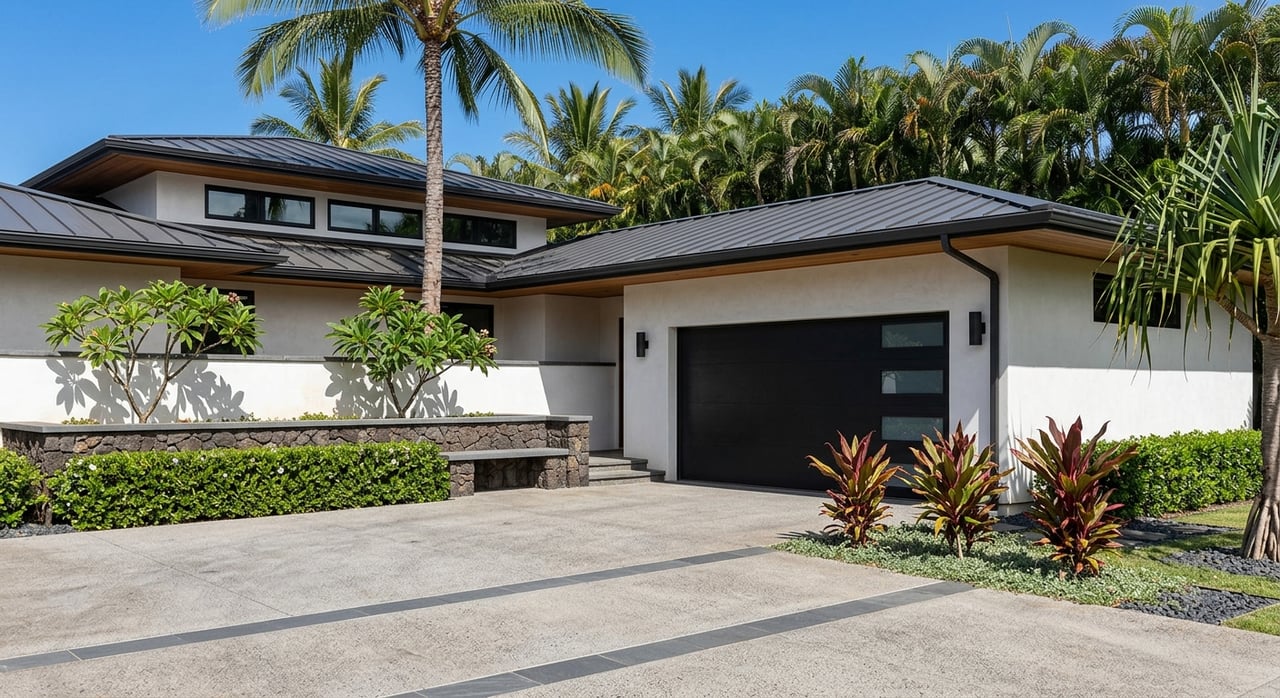
Great curb appeal in South Kohala does not have to mean overdone landscaping. In many cases, a cleaner, simpler presentation fits the property and climate better.
Start with the basics. Sweep entry paths, lanais, and driveways, and remove dead leaves or debris from visible areas. Buyers should see a welcoming, easy-to-maintain entrance from the moment they arrive.
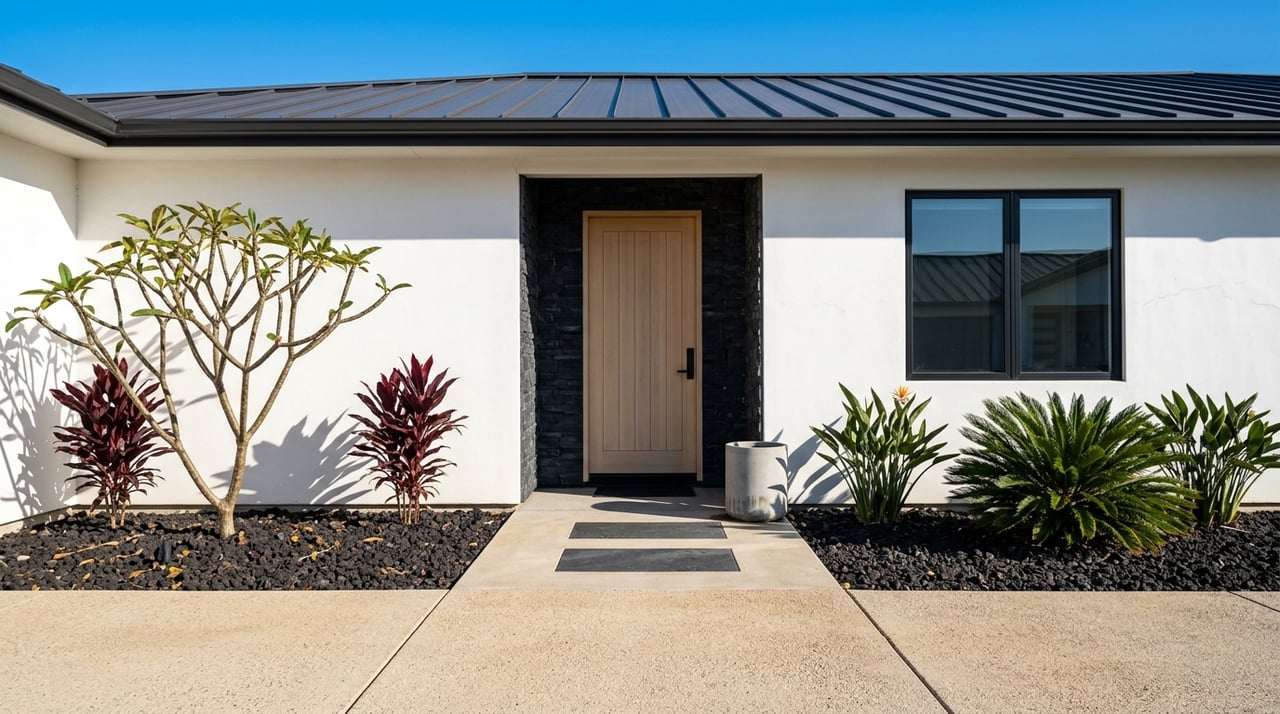
For lava rock landscapes, weeds and overgrowth can make the exterior feel neglected. Clean rock beds, tidy edges, and restrained plantings usually create the strongest impression.
Keep Landscaping Neat And Climate-Appropriate
Plant choices in Hawaiʻi can affect water use, fire risk, and the spread of invasive plants, pests, and plant diseases. That makes neat, climate-appropriate landscaping a smart pre-listing goal.
If you have aggressive or out-of-place ornamentals, consider removing or simplifying them. The goal is not to redesign the yard. It is to present an exterior that feels cared for, practical, and visually calm.
Also check for irrigation overspray or visible leaks. Wet spots and runoff can suggest deferred maintenance, even when the issue is minor.
Gather Condo And Association Documents Early
If you are selling a condo or any property subject to association rules, document prep should start early. In Hawaiʻi, sellers may need to provide governing materials tied to the property, and waiting too long can delay your listing timeline.
For properties subject to a recorded declaration, Hawaiʻi seller disclosure law requires sellers to provide the creating documents and governing materials. These can include the articles of incorporation or similar forming document, bylaws, declaration and exhibits, and rules related to common areas, architectural control, maintenance, or assessment payments.
For condominium properties, associations of unit owners must make a broad set of records available upon request. That can include the declaration, bylaws, house rules, financial and common-expense records, management agreements, financial statements, meeting minutes, insurance policies, contracts, invoices, and delinquency records.
Because these records generally must be provided within 30 days of a written request, it is wise to ask for them before your listing launch. Electronic delivery may be available if requested, and the fee must be reasonable.
What To Request For A Condo Listing
- Current declaration
- Bylaws
- House rules
- Articles of incorporation or other forming documents, if applicable
- Most recent financial statement
- Current maintenance fee information
- Any pending maintenance-fee changes
- Reserve study
- Insurance policy information
- Recent meeting minutes
- Management company contact information
DCCA guidance also notes that the Bureau of Conveyances is the final recording agency for the state, and older file copies may be outdated. For a current seller packet, it helps to request the latest governing documents directly from the association and confirm details if needed.
Confirm What Type Of Project You Own
Not every association-governed property is the same. In Hawaiʻi, condominium associations are formally called Associations of Unit Owners, while planned communities and cooperatives are governed under different chapters.
That is why your project documents matter. Before you list, confirm whether your property is a condo, a planned community, or another association type so your paperwork matches the property correctly.
Review Reserve Studies And Fees
Buyers often want a clearer picture of future common-area upkeep and monthly costs. If you are selling a condo, having this information ready can make your listing feel more transparent and organized.
Reserve studies are especially useful because they generally address major long-life common components such as roofs, plumbing, windows, elevators, roads, driveways, spalling, and utilities. Condo associations must review the reserve study at least every three years.
You should also request the most current financial statement and note whether any maintenance-fee changes are pending. Owners must be notified in writing at least 30 days before a maintenance-fee increase takes effect.
Prepare Disclosure Items Before You Go Live
Some disclosure issues are easier to handle before the property hits the market. In South Kohala, this can be especially important for homes and condos in coastal or mapped exposure areas.
Hawaiʻi law requires additional material-fact disclosure if residential property lies within a special flood hazard area, airport noise area, military air installation zone, tsunami inundation area, or sea level rise exposure area. If the property is adjacent to the shoreline, sellers must also disclose permitted and unpermitted erosion-control structures, permit expiration dates, notices of alleged violation, and related fines.
For that reason, it is smart to confirm whether the property falls within any mapped exposure area before launching the listing. Handling this upfront can reduce surprises later in the transaction.
Keep Repair Records Together
If you have made upgrades or completed repairs, gather the paperwork now. Permits, warranties, invoices, appliance manuals, and service receipts make it easier to answer buyer questions quickly.
This step also helps your agent build a cleaner listing packet. When information is easy to share, the property tends to feel easier to understand and easier to own.
Finish With A Showing-Ready Setup
Once repairs, landscaping, and documents are in order, shift your focus to presentation. The goal is to remove distractions so buyers can focus on the space itself.
Clear counters, reduce closet clutter, hide cords, and put away cleaning supplies. Treat lanais, entries, and outdoor spaces as extensions of the home, not storage areas.
A final pre-listing folder can be simple but powerful. Keep your association documents, service records, warranty cards, manuals, repair invoices, and key contact information in one easy-to-share place.
Final Pre-Listing Checklist
- Resolve visible moisture issues
- Clean mildew-prone areas
- Remove salt residue and check for corrosion
- Complete minor cosmetic repairs
- Sweep and tidy exterior spaces
- Weed lava rock beds and simplify plantings
- Check irrigation for leaks or overspray
- Request condo or HOA documents early
- Pull reserve study and current financials
- Confirm maintenance-fee details
- Review required disclosure items
- Organize permits, warranties, and receipts
- Declutter for photos and showings
A thoughtful pre-listing plan can make a real difference in South Kohala, whether you are selling a condo in a managed community or a home with coastal exposure. When you prepare the property, paperwork, and presentation together, you give buyers fewer reasons to hesitate and more reasons to feel confident.
If you are getting ready to sell in Waimea or the broader South Kohala market, Kona Pacific Realty, LLC can help you build a smart listing strategy with local guidance, polished marketing, and personalized support.
FAQs
What should you fix before listing a South Kohala home?
- Focus first on leaks, stains, musty odors, mildew-prone areas, burned-out bulbs, loose hardware, paint touch-ups, and any visible exterior corrosion or salt buildup.
What condo documents should you gather before listing in Hawaiʻi?
- Start with the declaration, bylaws, house rules, financial statements, reserve study, insurance information, meeting minutes, maintenance-fee details, and other current association records tied to the project.
Why do moisture issues matter when selling a South Kohala property?
- Hawaiʻi’s humid climate can lead to mold and mildew in damp areas, and unresolved moisture problems can affect both how the property looks and how buyers perceive its condition.
What landscaping helps most before listing a South Kohala property?
- Clean, restrained, climate-appropriate landscaping usually helps most, including swept entries, tidy lava rock beds, weed removal, healthy plantings, and no visible irrigation leaks or overspray.
What disclosures may affect a South Kohala home or condo sale?
- Depending on location, sellers may need to disclose whether the property is in a special flood hazard area, airport noise area, military air installation zone, tsunami inundation area, or sea level rise exposure area, along with certain shoreline-related conditions if applicable.