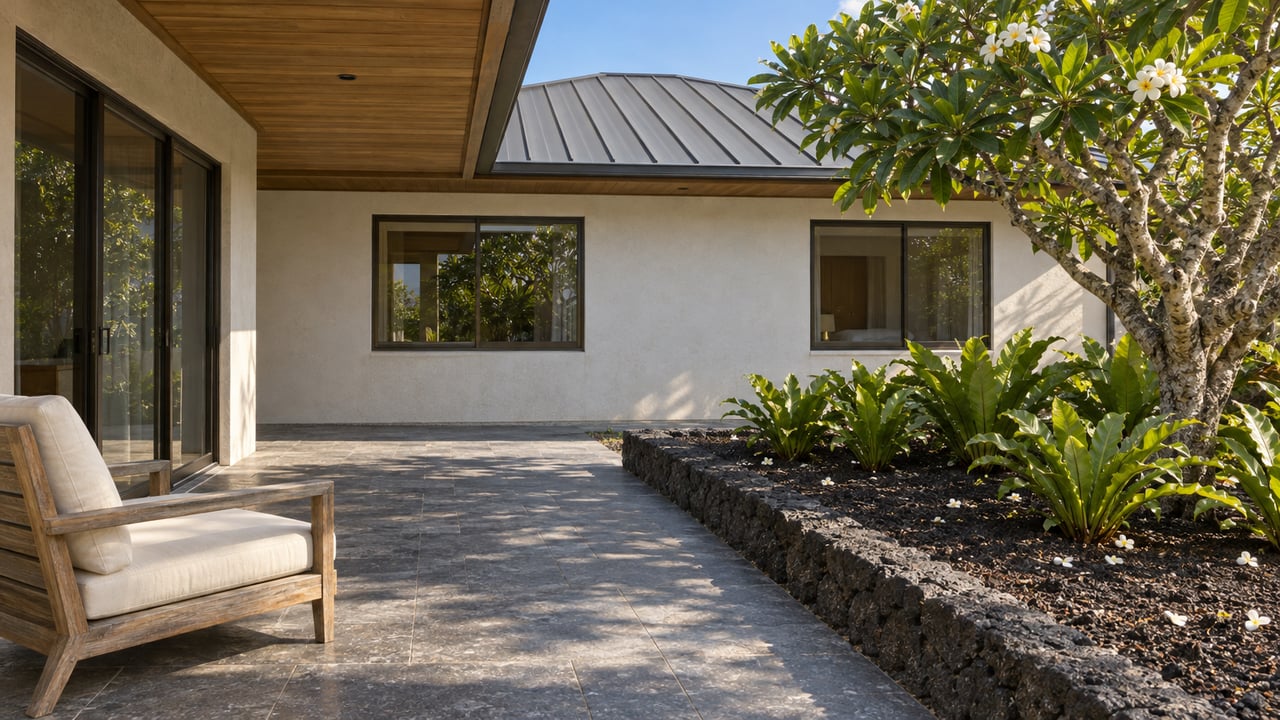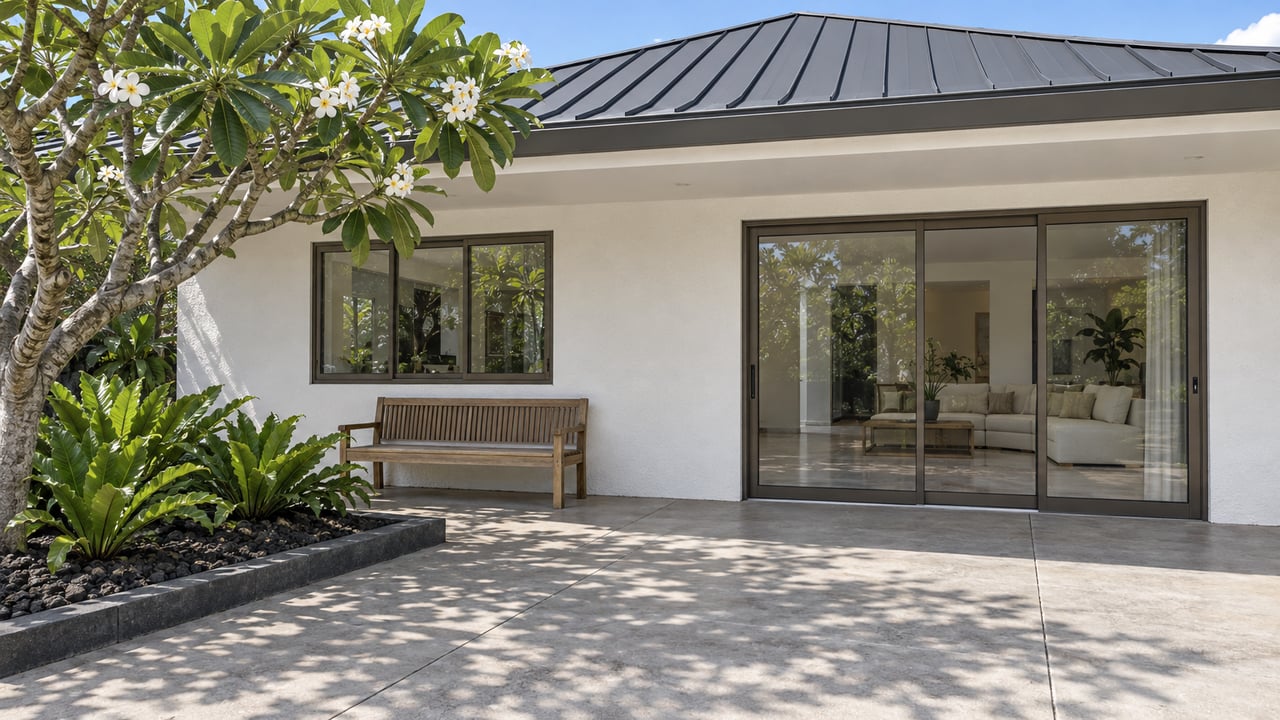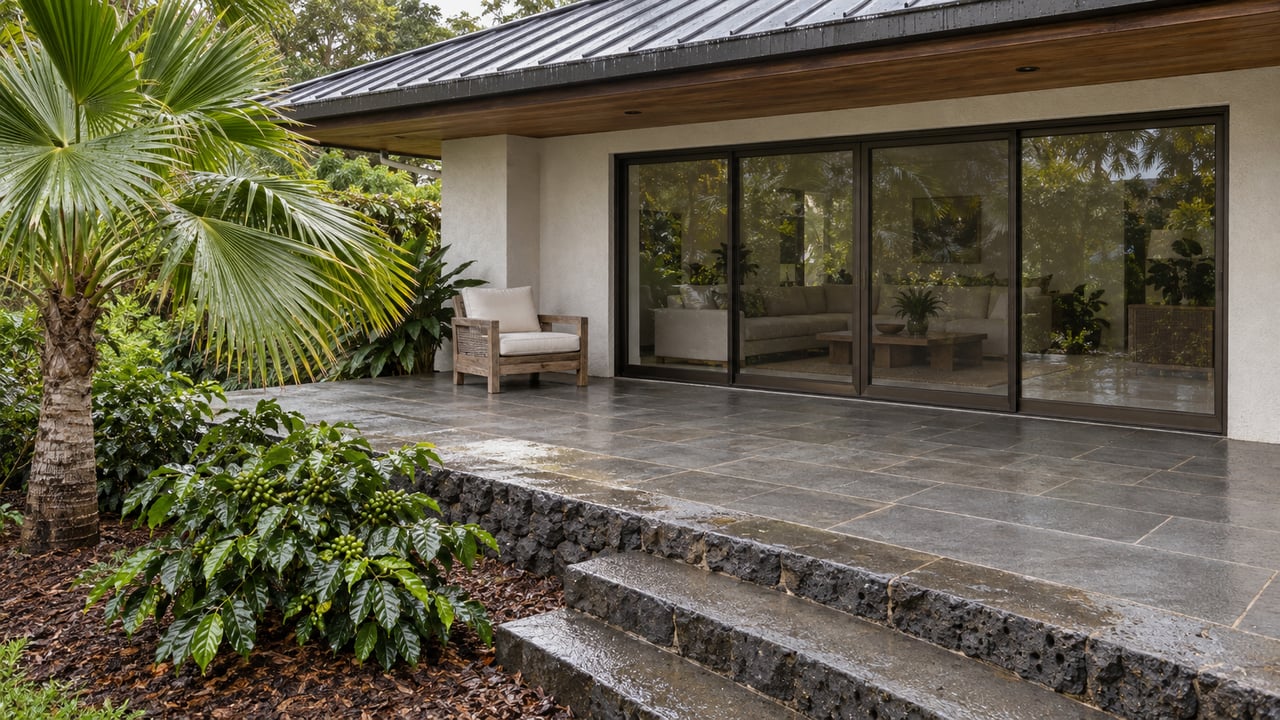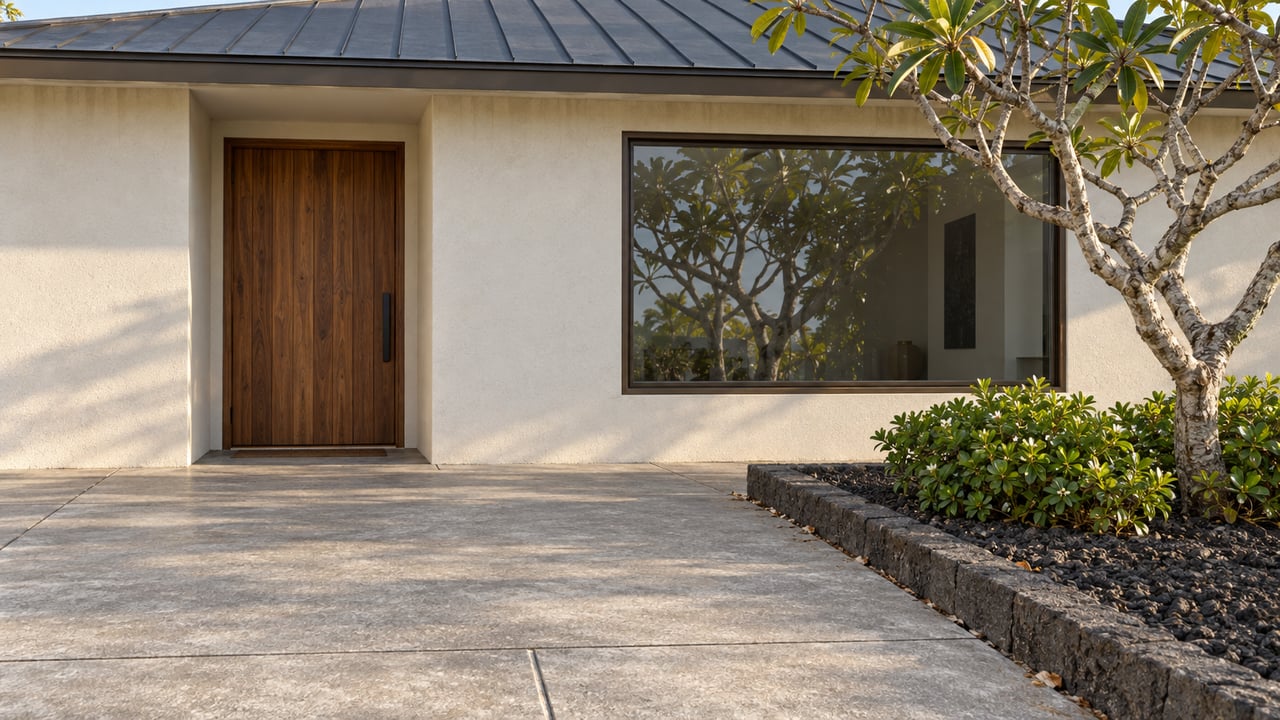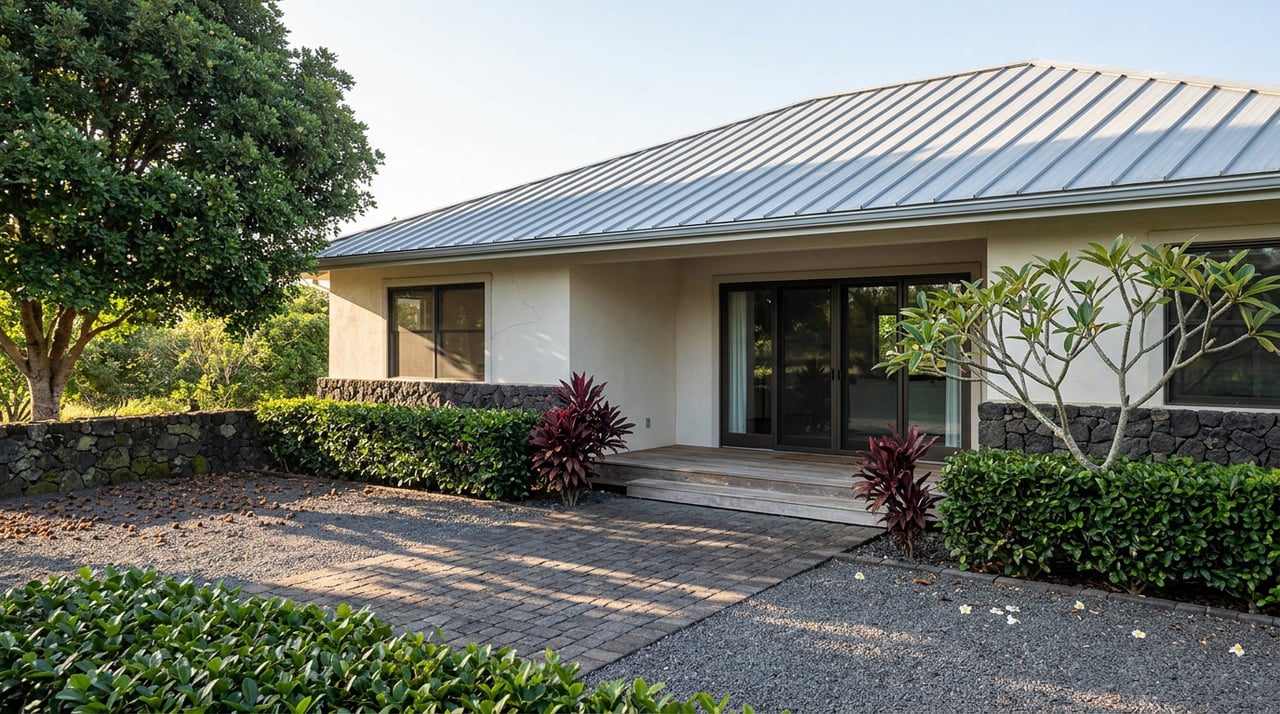
Picture two half-acre lots in South Kona, both a ten-minute drive from the Painted Church, both priced within a few thousand dollars of each other, both listed as having a working cesspool. On paper they are the same purchase. In practice, one of them may carry a state-backed path to a subsidized conversion and the other may not see a dime of help for years. The difference has nothing to do with the house; it comes down to whether a parcel falls within an area targeted for state support.
That line got a lot more concrete on July 8, 2026, when the Hawaii Tribune-Herald reported that Governor Josh Green signed House Bill 1618 into law as Act 204. The bill creates Hawaii's first dedicated financing vehicle for cesspool conversion, a revolving loan fund. It was introduced by Rep. Nicole Lowen, whose district covers Kona. For a buyer weighing a rural South Kona parcel against a similar one down the road, this offers a clearer picture of where help with conversion costs may be available.
What the new fund actually is, and isn't
Act 204 sets up a Cesspool Conversion Revolving Loan Fund funded through the state's Water Pollution Control Revolving Fund. It offers low-interest or forgivable loans to eligible homeowners converting, upgrading, or connecting a cesspool. The initial appropriation is $2 million, which the state itself has called seed money against a statewide conversion bill that Stuart Coleman of Wastewater Alternatives and Innovation pegs at roughly $2.4 billion for all 80,000-plus remaining cesspools.
As the Hawaii Tribune-Herald reported, House Speaker Nadine Nakamura put the affordability gap plainly at the signing ceremony:
"What happens when 80% to 90% of the families in Hawaii cannot afford the cost of the $30,000 to $50,000 it may take?"
That is the number a buyer needs to hold onto. Hawaii Public Radio reported that Coleman's own estimate lands in the same range, $25,000 to $50,000 per conversion depending on site conditions. A $2 million fund divided across even a fraction of the properties that need it will not clear the backlog fast. Civil Beat reports that the state's own tracking shows the cesspool removal rate running around 400 a year against a pace of roughly 3,400 a year needed to hit the 2050 deadline set by the EPA, a gap the nonprofit WAI has flagged repeatedly in its advocacy work. The fund is real. The wait for most owners is also real.
Why Hōnaunau and Miloli'i tell two different stories
South Kona already has a live test case for how this plays out unevenly, and it sits right on the coast at Hōnaunau. In February 2026, Governor Green's administration proposed spending $126 million in new green fee revenue on environmental projects statewide, including $1 million earmarked specifically to close out cesspools in the nearshore Hōnaunau community. That project then got cut by the Senate Ways and Means Committee in April, then reversed and restored by the House-Senate budget negotiating team as the session wrapped up in early May, a swing documented across West Hawaii Today's coverage of the green fee overhaul. A property near that funded conversion zone is sitting inside a pipeline the state has already committed money toward, even if the amount is modest.
Miloli'i, twenty miles down the coast, has no equivalent line item. Civil Beat reported that the village has roughly 500 residents and no municipal sewer system, and that residents there have said they cannot absorb tens of thousands of dollars in conversion costs. Longtime resident Kaimi Kaupiko, whose family has lived in Miloli'i for generations, described the reality without needing to inflate it: his ʻohana doesn't have the funds to upgrade their systems or find a better solution. A new subdivision built atop lava fields near Miloli'i has already drawn public health concern over swimming water quality tied to cesspool discharge, the kind of report that tends to precede, not follow, priority designation.
Here is how that plays out for a buyer comparing parcels:
| Location | What's happening on the ground | What it means for a buyer today |
|---|---|---|
| Hōnaunau nearshore homes | A $1 million state-funded cesspool elimination project was cut, then restored, in this year's budget negotiations | A parcel here may sit inside an active, state-backed conversion pipeline, though timing and eligibility still run through the Department of Health |
| Miloli'i village | No municipal sewer, no funded conversion project, documented affordability crisis among longtime residents | Buyers should assume conversion costs are entirely out of pocket unless the new HGIA loan fund grows well beyond its $2 million seed allocation |
| Typical inland South Kona lot (Captain Cook, Kealakekua, Honalo) | No named state project, conversion driven by individual owner timelines and lava substrate conditions | Cost estimates should lean toward the higher end of the $25,000 to $50,000 range given engineering requirements on fractured basalt |
The substrate makes the number worse before it makes it better
South Kona's geology is not a footnote here. Much of the district sits on fractured lava rock with shallow soils, which rules out a simple leach field for a lot of properties and pushes the design toward deep trenches, pressurized dispersal, or engineered mound systems, all specified and approved through the Department of Health's Individual Wastewater System program. That variability is exactly why the estimates cited by state officials and by wastewater advocates keep landing at a range rather than a fixed number. A buyer running a quick napkin calculation should treat $50,000 as a realistic ceiling for a South Kona parcel, not an outlier.
What to actually ask for before you write an offer
None of this requires waiting on a lawyer. A few concrete steps handle most of the risk:
- Request the Department of Health's Individual Wastewater System records for the property's tax map key, and ask the seller directly for any system plans or approval letters they have on file.
- Check the parcel against the Hawaii Cesspool Hazard Assessment & Prioritization Tool, which shows which cesspools the state has flagged as higher priority based on proximity to coastline, streams, and drinking water sources.
- Ask whether the parcel falls inside a green fee funded zone like Hōnaunau's, since that changes the financing conversation even at this early, underfunded stage.
- Bring in a civil engineer familiar with South Kona's lava substrate for a feasibility opinion before finalizing your offer price, not after.
The buyer's own due diligence matters more here than it would in a market with a uniform sewer system.
Frequently asked questions
Does having a cesspool automatically block financing? Not automatically. Most single-family homes with existing cesspools are legally allowed to keep operating them until 2050. Some conventional lenders are beginning to factor the future conversion cost into underwriting, so it is worth asking your lender directly rather than assuming a blanket rule.
Can I apply for the new state loan fund right now? The program was only signed into law this summer and the Hawaii Green Infrastructure Authority is still setting the parameters for loans, including income eligibility and forgiveness terms. Buyers should not count on immediate access to this fund as part of a near-term closing timeline.
Is the 2050 deadline the same for every property? The statewide deadline applies broadly, but the state's own prioritization tool sorts cesspools into tiers based on environmental risk, and areas near documented water quality concerns, like the coastline south of Hōnaunau, tend to draw earlier attention and, occasionally, dedicated funding.
South Kona's coastline is not going to look the same on paper in five years as it does today, and parcels inside a funded conversion zone may have access to support that others do not. If you are comparing lots along this stretch of coast, or trying to figure out what a specific property's wastewater status means for your offer, the team at Kona Pacific Realty knows this coastline block by block. Reach out for a home valuation or a conversation about the property's wastewater status and potential costs before you write an offer.
This article is general information, not legal, tax or financial advice. Consult a qualified professional about your situation.