Buying in South Kona comes with ocean views, coffee country charm, and a quieter pace. What many buyers miss are the ongoing costs that show up after closing. From Hawai‘i’s high electricity prices to rainwater catchment care, cesspool planning, and coastal maintenance, a little homework now can save you real money later. In this guide, you will see what to budget, what to ask for during due diligence, and where to verify details so you can buy with confidence in Captain Cook, Kealakekua, or Hōnaunau. Let’s dive in.
True cost of utilities
Electricity in Hawai‘i is among the highest in the country. According to the U.S. Energy Information Administration, the state’s average residential rate is about 38 cents per kWh in 2024. You feel this in day‑to‑day living, especially with air conditioning, water heating, pool or catchment pumps, and appliances. See Hawaii’s electricity profile.
- Simple example using 38 cents per kWh:
- 600 kWh per month is about $228
- 900 kWh per month is about $342
Actual bills vary by usage, home systems, and tariff. Ask for 12 months of electric bills and confirm the meter’s rate schedule with the local utility before you close.
Water in South Kona
Water sources vary across South Kona. Some homes connect to County water. Many rural properties rely on private rainwater catchment or a private well. Each option has different monthly and maintenance costs.
- County water. Ask the seller for a copy of the water bill and written proof of connection. For system contacts and service notes, review the Hawai‘i County Department of Water Supply.
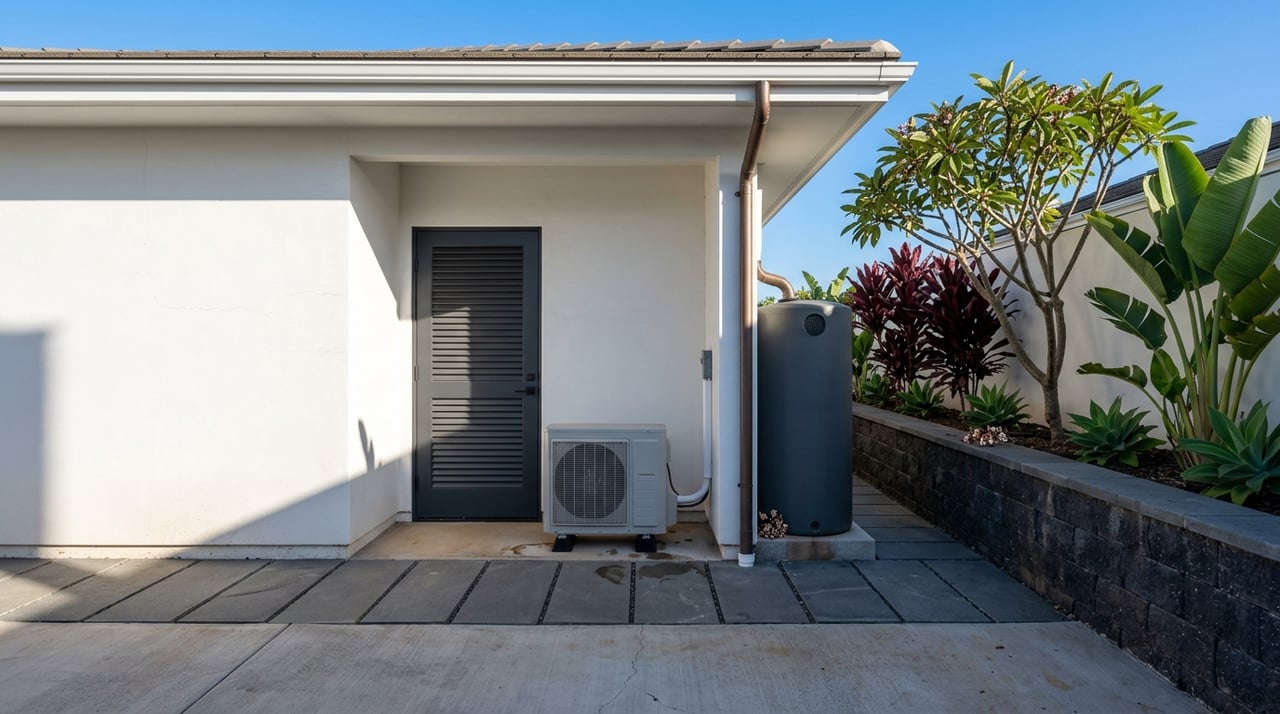
- Rainwater catchment. Common in rural Kona. Expect costs for pump electricity, filter changes, UV or chemical disinfection, periodic tank cleaning, and water testing if you use it for drinking. The University of Hawai‘i’s CTAHR manual is the go‑to guide for safe design and upkeep. Review the Guidelines on Rainwater Catchment Systems for Hawai‘i.
If a property uses catchment, your roof, gutters, and first‑flush devices directly affect water quality. Build routine roof and gutter care into your budget.
Wastewater: cesspools and septic
A major planning item in South Kona is on‑site wastewater. Many older homes use cesspools or older septic systems. State law requires all cesspools to be upgraded or closed by 2050. Sites in priority areas may face earlier action. Read the Hawai‘i Department of Health’s Cesspool Priority Report and the County’s Island‑Wide Integrated Wastewater Management Plan to understand policy direction and potential sewer expansions.
What to do now:
- Identify the system on site: cesspool, septic, or a permitted individual wastewater system.
- Ask for permits, inspection reports, and pump‑out records.
- Budget for regular septic care. The EPA’s homeowner guide suggests inspection every 1 to 3 years and typical pumping every 3 to 5 years, depending on tank size and use. See the Homeowner’s Guide to Septic Systems.
Conversion from a cesspool or a major septic upgrade is a future capital cost in many South Kona transactions. Planning early helps you avoid surprises.
Trash and bulky‑item disposal
Hawai‘i County operates transfer stations for household rubbish and has specific rules for bulky items. Some rural owners self‑haul, while others hire private haulers. Review County guidance on transfer‑station and bulky‑item rules and factor in haul or skip fees for storm cleanup or remodels.
Propane and fuel
Many rural homes use propane for cooking or water heating. Plan for periodic deliveries, tank lease or maintenance fees, and seasonal fluctuations in usage.
Insurance and natural hazards
South Kona’s coastal and hillside settings can affect coverage types, deductibles, and premiums. Standard homeowners policies typically exclude flood. Wind and hurricane coverage may carry separate deductibles or endorsements. If a property is near the shoreline or in a mapped flood zone, speak with a qualified insurance agent about flood coverage options. Lenders may have requirements based on location and elevation.
Earthquake coverage in Hawai‘i is usually optional. If the home uses rainwater catchment, remember that volcanic ash or vog during eruptive periods can affect roof surfaces and water quality. CTAHR’s catchment guidance includes maintenance practices to protect potable systems. Review the Guidelines on Rainwater Catchment Systems for Hawai‘i for what to do after ashfall.
Maintenance in a coastal climate
Salt air, wind‑driven rain, and tropical pests increase routine maintenance for many South Kona properties. Planning ahead protects your home and your budget.
Corrosion and exterior finishes
Coastal exposure accelerates corrosion of metal gates, railings, fasteners, and exterior mechanicals. You may need more frequent rinsing, repainting, and replacement of components than on the mainland. The FEMA Coastal Construction Manual explains why salt spray is so tough on materials and how to select corrosion‑resistant options. See FEMA’s guidance in the Coastal Construction Manual.
Roofs, gutters, and catchment surfaces
Roof penetrations, flashing, and gutters require regular inspection and sealing, especially in hillside locations where wind‑driven rain is common. If you rely on rainwater catchment, the roof is part of your water system. Schedule cleaning, first‑flush maintenance, and filter changes per CTAHR’s rainwater catchment guidelines.
Termites and wood protection
Hawai‘i has both subterranean and drywood termite species. Preventative treatments and periodic inspections are a smart line item in your annual budget, especially for wood‑framed homes and lanais. University research documents the economic impact of termites in Hawai‘i. Learn more in this termite and wood‑destroying organism overview.
Vegetation, erosion, and access
Steeper lots can require slope management, drainage checks, and occasional road or driveway work after heavy rains. Retaining walls and swales should be monitored on a seasonal schedule.
Property taxes in Hawai‘i County
Hawai‘i County uses property tax classes and rates that may differ from what you know on the mainland. Rates also vary by use, including owner‑occupied and residential tiers. For current examples, consult the State of Hawai‘i Data Book’s county rate table and verify the property’s assessed value and exemptions with the County. Review the county‑level real property tax rate schedule. Your actual tax will depend on classification, assessment, and any applicable exemptions.
HOA and community fees
Some South Kona subdivisions and condo communities, including those closer to Keauhou, carry monthly HOA dues. Fees cover common‑area maintenance, insurance, reserves, and sometimes utilities. Costs and reserve strength vary from one association to the next. Always review the HOA budget, reserve study, meeting minutes, and any history of special assessments during your due diligence period.
Internet and modern services
Broadband coverage is uneven in South Kona. Kailua‑Kona and parts of the corridor may have fiber or cable options, while rural addresses in Kealakekua or Captain Cook can require satellite or fixed‑wireless. Always check address‑level availability and budget for installation and monthly plans. For a quick overview of providers in the Kona area, see this coverage summary. Many rural owners maintain a backup connection for resilience.
What to ask the seller
Use this checklist to collect records before you close:
- 12 months of electric bills and the electric meter’s current tariff
- Proof of County water connection or full specs for private catchment or well
- Catchment details: tank size, pump brand, filter and UV system, service logs, and water testing if used for potable supply
- Wastewater records: cesspool or septic permits, inspection and pump‑out receipts, and any DOH or County correspondence
- Roof and gutter service records and any catchment cleaning logs
- Termite inspection and treatment records
- HOA documents: current budget, reserve study, meeting minutes, and special assessment history
- Trash and bulky‑item plan: confirmation of transfer‑station use or private hauler details
One‑time vs. recurring costs
Understanding what repeats and what is a capital event will help you budget.
Recurring monthly or seasonal
- Electricity
- Water filtration, UV bulbs, and catchment maintenance
- Septic inspections and periodic pump‑outs per EPA guidance
- Propane refills
- Pest monitoring and spot treatments
- Roof, gutter, and exterior rinsing or soft‑washing in coastal zones
- Internet and any backup service
- HOA dues if applicable
One‑time or long‑interval capital items
- Cesspool conversion or septic system upgrade to meet Act 125 by 2050
- Roof replacement or major coating project
- Larger termite repairs if preventive care is deferred
- Shoreline or corrosion‑related replacements of railings, gates, and exterior mechanicals
Local resources
Use these sources to verify details for your specific address:
- Electricity price context from the U.S. Energy Information Administration
- County water questions via the Hawai‘i County Department of Water Supply
- Rainwater maintenance from CTAHR’s Guidelines on Rainwater Catchment Systems for Hawai‘i
- Cesspool policy and priorities from the Hawai‘i Department of Health and the County’s IWWMP
- Property tax rates in the State of Hawai‘i Data Book
- Coastal material and maintenance guidance in FEMA’s Coastal Construction Manual
- Termite risk overview in peer‑reviewed research
- Septic care schedules in the EPA’s Homeowner’s Guide to Septic Systems
- Solid‑waste and bulky‑item rules from Hawai‘i County
- Kona‑area internet coverage overview from ISP Reports
Make a confident plan
South Kona living is special. With a clear picture of electricity, water and wastewater, insurance, coastal maintenance, property taxes, HOA dues, and internet options, you can choose a home that fits your lifestyle and your budget. If you want a local partner to help you review records, gather vendor quotes, and weigh options by neighborhood, our team is here to help.
Ready to start your South Kona home search or due‑diligence planning? Connect with Kona Pacific Realty, LLC for friendly, expert guidance rooted in West Hawai‘i.
FAQs
What are typical monthly electric costs in South Kona?
- At 38 cents per kWh, 600 kWh is about $228 and 900 kWh is about $342, but your actual bill depends on usage, equipment, and the utility rate for that meter.
How do rainwater catchment costs compare to County water?
- County water has a standard bill, while catchment adds costs for pump electricity, filter and UV maintenance, and periodic tank cleaning and testing; review CTAHR’s guidance for upkeep steps.
What does the 2050 cesspool deadline mean for buyers?
- If a property has a cesspool, you should plan for conversion or an approved system upgrade by 2050, and sooner in priority areas; review DOH and County IWWMP resources and get system records before closing.
How often should a septic system be pumped in Hawai‘i?
- The EPA recommends inspections every 1 to 3 years and pumping typically every 3 to 5 years, depending on tank size, household habits, and inspection findings.
Do standard homeowners policies cover flood in South Kona?
- No, flood damage is usually excluded; you may need a separate flood policy if the property is in or near a mapped flood zone, and lenders may require it based on risk.
Why is coastal maintenance more frequent in Kona?
- Salt air accelerates corrosion and wind‑driven rain stresses roofs and flashing, so rinsing, repainting, and hardware replacement often occur on shorter cycles near the shoreline.