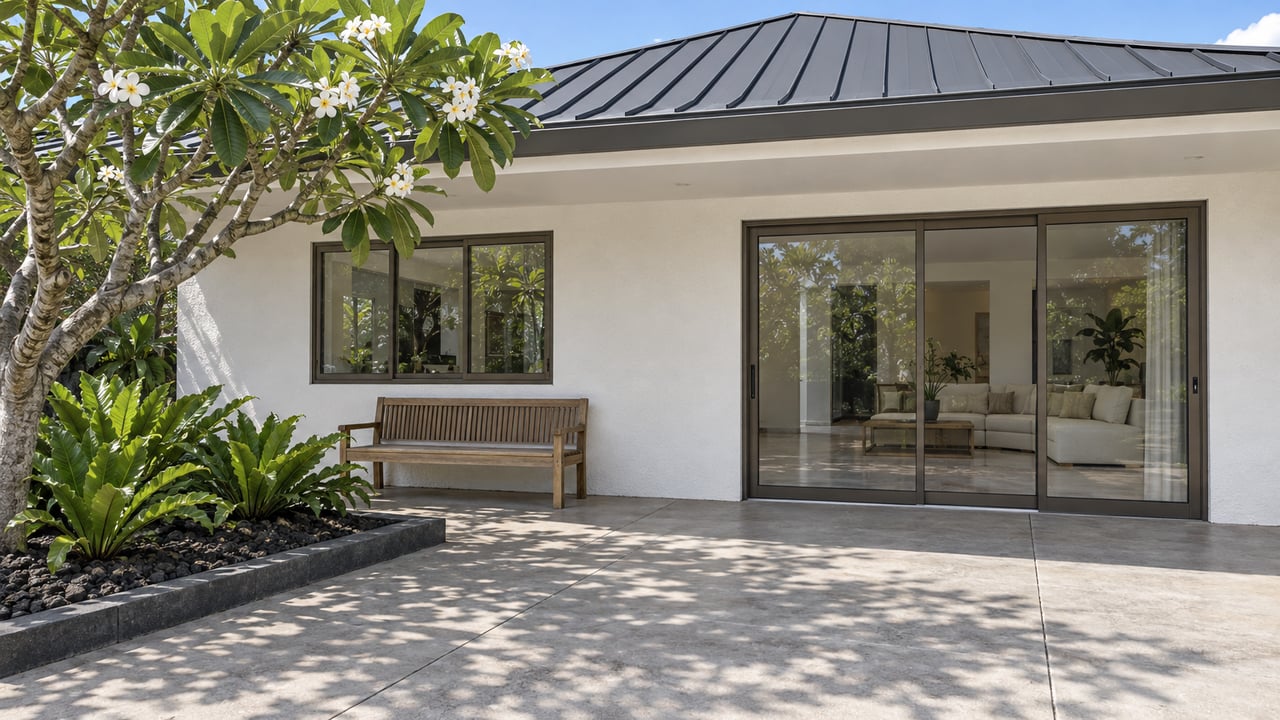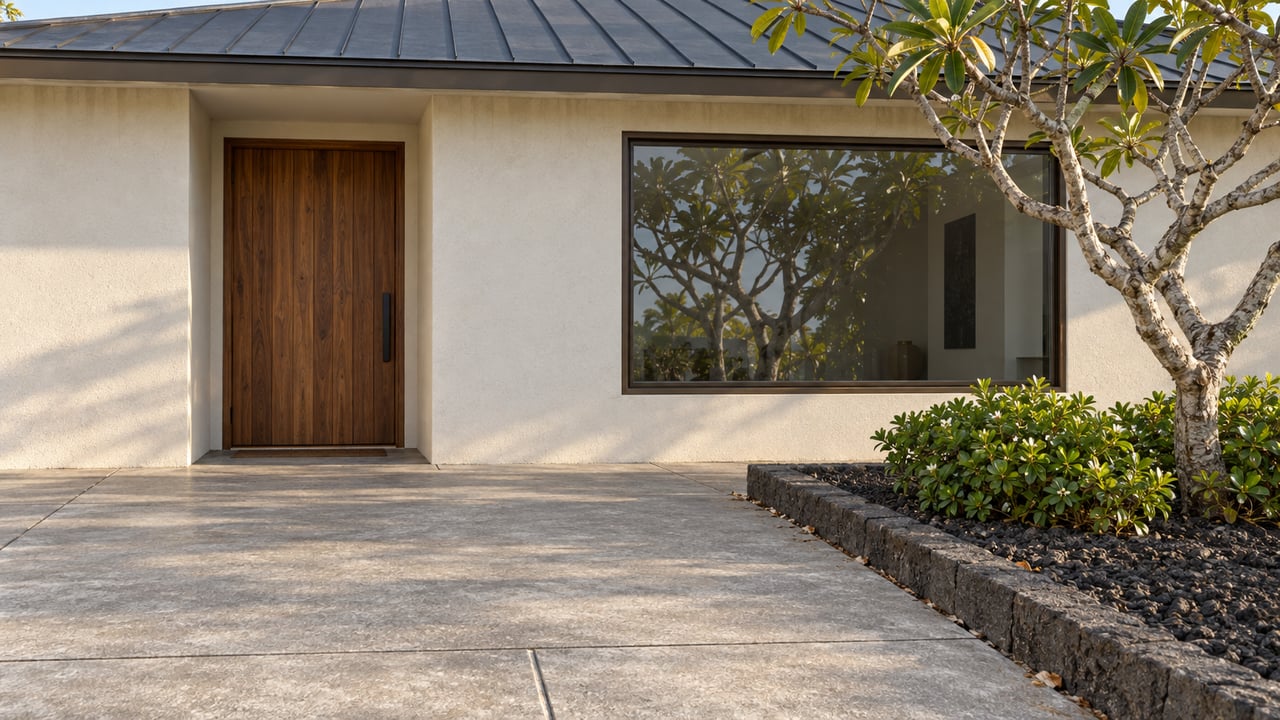
Selling to an off-island buyer takes more than great photos and a nice view. If your South Kona home is going to appeal to someone shopping from the mainland or another island, you need to reduce the unknowns that come with buying from far away. When you make the property easier to understand before a plane ticket is booked, you help serious buyers move forward with more confidence. Let’s dive in.
Why off-island buyers need more detail
South Kona is not a one-size-fits-all market. County planning resources describe the area as a rural, mixed-use agricultural district, which means buyers often need clear information about how a property is actually used, how it is accessed, and what services support it.
That matters even more when your buyer is not local. A mainland buyer may not know whether a home is on county water, uses catchment, has a steep driveway, or sits near shoreline conditions that look very different in person than they do online. The more clearly you explain those details, the stronger your listing becomes.
Start with a complete property packet
For off-island buyers, your listing should feel like a decision packet, not just an advertisement. Buyers often want enough information to decide whether the home fits their needs before they schedule a visit.
A strong South Kona listing should include:
- A full photo set that shows both the home and site
- A video walk-through
- Room measurements
- A simple floor plan or sketch
- Clear notes about access and parking
- Utility service details
- Honest explanation of site-specific limitations
This kind of preparation helps buyers understand the property in context. In South Kona, that context often includes land use, topography, shoreline conditions, and infrastructure that may be unfamiliar to off-island shoppers.
Explain the property’s actual use
In South Kona, you should not assume buyers will understand a parcel just from the address. County planning materials point to a larger land-use framework that includes state land-use classes, county zoning, the general plan, and subdivision rules.
That is why your listing should clearly state the property’s actual setup. If the parcel is used for agricultural purposes, has acreage, includes outbuildings, or has particular access conditions, those details should be presented plainly and early.
Gather key documents before listing
One of the smartest ways to prepare for off-island buyers is to organize your documents before the home goes live. In Hawaiʻi, the seller disclosure timeline is time-sensitive, and buyers have a 15-day rescission period to review the disclosure statement after it is delivered.
Under Hawaiʻi law, the disclosure statement must be signed and dated within six months before contract acceptance or within ten calendar days after acceptance. It also must be delivered to the buyer no later than ten calendar days after acceptance. For sellers, that means waiting until you receive an offer can create avoidable delays.
Helpful documents to assemble early may include:
- Seller disclosure materials
- TMK or parcel number
- Zoning information
- Flood-zone status
- Septic or cesspool information
- Permit records
- Setback-related information
- Governing documents for any HOA, condo, or planned community
- Rules, declarations, bylaws, or use restrictions that affect the property
When these items are ready from the start, remote buyers can review the property more efficiently and with fewer surprises.
Make water service easy to understand
One of the first questions many off-island buyers ask is simple: what kind of water service does the property use? In South Kona, that answer can shape a buyer’s comfort level in a big way.
If the home is served by county water, say so clearly. If it uses rainwater catchment or another private system, explain that as well and be ready to provide practical details.
The State of Hawaiʻi Department of Health notes that individual-home catchment systems are not regulated by the department, but they should be well designed, regularly maintained, and periodically tested. The department specifically recommends attention to E. coli, turbidity, lead, and copper.
For that reason, sellers with catchment systems can benefit from having recent water test results and maintenance records ready. For a buyer who has never owned a catchment property, this can answer one of the biggest early questions.
Be precise about access and parking
Access can make or break a showing request from an off-island buyer. What feels normal to a local owner may be a major consideration to someone viewing the home remotely.
Your marketing should clearly show the approach to the home, driveway condition, parking setup, and how a buyer moves from the street into the property. If the driveway is steep, the access is shared, or the parking is limited, clear language helps set realistic expectations.
This is especially important in a rural area where parcel layout and road conditions can vary. Buyers are not just evaluating the house. They are evaluating how everyday life on the property would work.
Describe shoreline realities honestly
If your South Kona property is coastal or near the shoreline, careful wording matters. County shoreline guidance for South Kona notes seasonal high surf, strong currents, rocky terrain, and limited or hazardous access points in some areas.
That means your listing should not rely on scenic photos alone. If you mention beach access or shoreline proximity, be specific about footing, parking, access points, and any limitations that a buyer should understand before visiting.
For waterfront or view properties, it also helps to show:
- The route to the shoreline or access area
- The actual relationship between the house and the coast
- Outdoor living spaces
- Storage areas
- Tank or catchment infrastructure, if present
- Terrain that affects movement around the site
Honest detail builds trust. It also helps buyers compare your property to others with a more realistic understanding of what the setting offers.
Document any HOA or recorded restrictions
If your property is part of a condo, HOA, or planned community, off-island buyers will usually want the rules early. Hawaiʻi law requires sellers to provide governing documents when the property is subject to a recorded declaration or similar restrictions.
That may include articles, bylaws, declarations, rules, guidelines, and related use restrictions. The law also allows electronic delivery with buyer consent when those documents are available online, which can be especially helpful for remote buyers.
A simple, organized document package can reduce back-and-forth and help buyers review the property on their own timeline. That kind of smooth process reflects well on both the listing and the seller.
Handle rental potential carefully
If you plan to mention short-term rental use or rental potential, make sure you can support it with documentation. Hawaiʻi County regulates short-term vacation rentals, and any marketing language should match what the property can actually document.
If the home has an existing permit, NUC, or related compliance file, have that information ready. Avoid broad claims about eligibility if you cannot back them up.
This is especially important for mainland buyers looking at South Kona as an investment or second-home market. Clear, documented information is far more valuable than vague promises.
Show the home with remote decision-making in mind
Off-island buyers often need to make early decisions from a screen. That means your presentation should answer practical questions, not just showcase attractive finishes.
When preparing your home, think beyond staging. Ask whether a buyer can understand the layout, the land, the utility setup, the access, and the limitations without being physically present.
A well-prepared remote-friendly listing usually does three things:
- It shows the home clearly
- It explains the property accurately
- It delivers documents early enough to support due diligence
That approach is especially effective in South Kona, where rural character, mixed-use parcels, and coastal conditions often require more explanation than a standard suburban listing.
A thoughtful approach can attract stronger buyers
Off-island buyers are not just shopping for beauty. They are looking for clarity. When your South Kona home is presented with strong visuals, honest property details, and an organized document file, you make it easier for serious buyers to say yes to the next step.
At the same time, you can reduce misunderstandings that often slow down remote transactions. A listing that answers the right questions early tends to stand out for the right reasons.
If you are thinking about selling in South Kona and want a strategy built around local knowledge and polished digital presentation, Kona Pacific Realty, LLC can help you prepare your home to connect with off-island buyers with confidence.
FAQs
What should South Kona sellers prepare for off-island buyers?
- Off-island buyers usually benefit from a full property packet that includes photos, a video walk-through, room measurements, a floor plan or sketch, utility details, access notes, and key due diligence documents.
What disclosure timeline applies to South Kona home sales?
- Hawaiʻi law requires the seller disclosure statement to be signed and dated within six months before contract acceptance or within ten calendar days after acceptance, delivered no later than ten calendar days after acceptance, with a 15-day buyer rescission period for review.
What water system questions do South Kona buyers usually ask?
- Buyers often ask whether the property uses county water, rainwater catchment, or another private system, and catchment homes are easier to evaluate when recent maintenance records and water test results are available.
What property details matter most in a South Kona listing?
- In South Kona, buyers often want clear information about access, parking, zoning, flood-zone status, septic or cesspool setup, permit history, utility service, and any shoreline-related conditions.
What should a South Kona coastal listing explain clearly?
- A coastal or near-coastal listing should describe shoreline access, footing, parking, terrain, and any limitations related to surf, currents, rocky conditions, or hazardous access points.
What documents should South Kona sellers share for HOA or condo properties?
- If the property is subject to recorded rules or restrictions, sellers should be ready to provide governing documents such as declarations, bylaws, articles, rules, guidelines, and related use restrictions.
What should sellers prove before advertising short-term rental potential in South Kona?
- Sellers should have the relevant permit, NUC, or other compliance paperwork ready and should avoid implying short-term rental eligibility that cannot be documented.