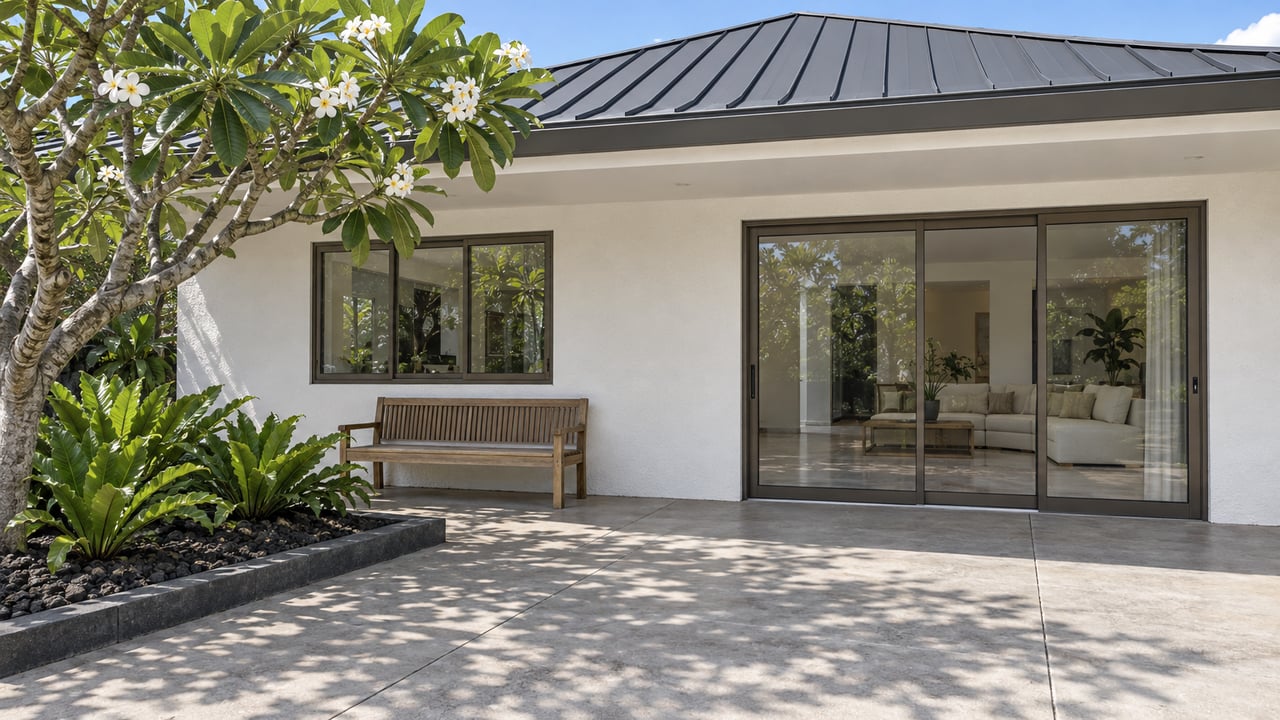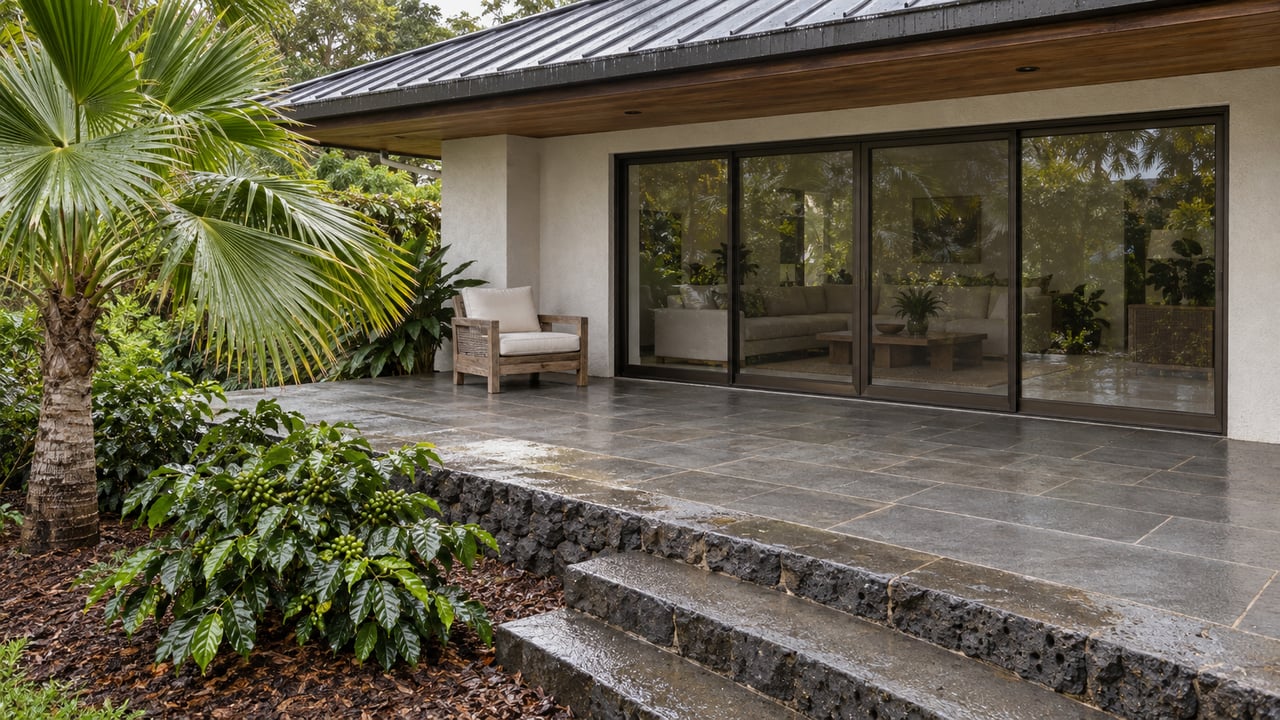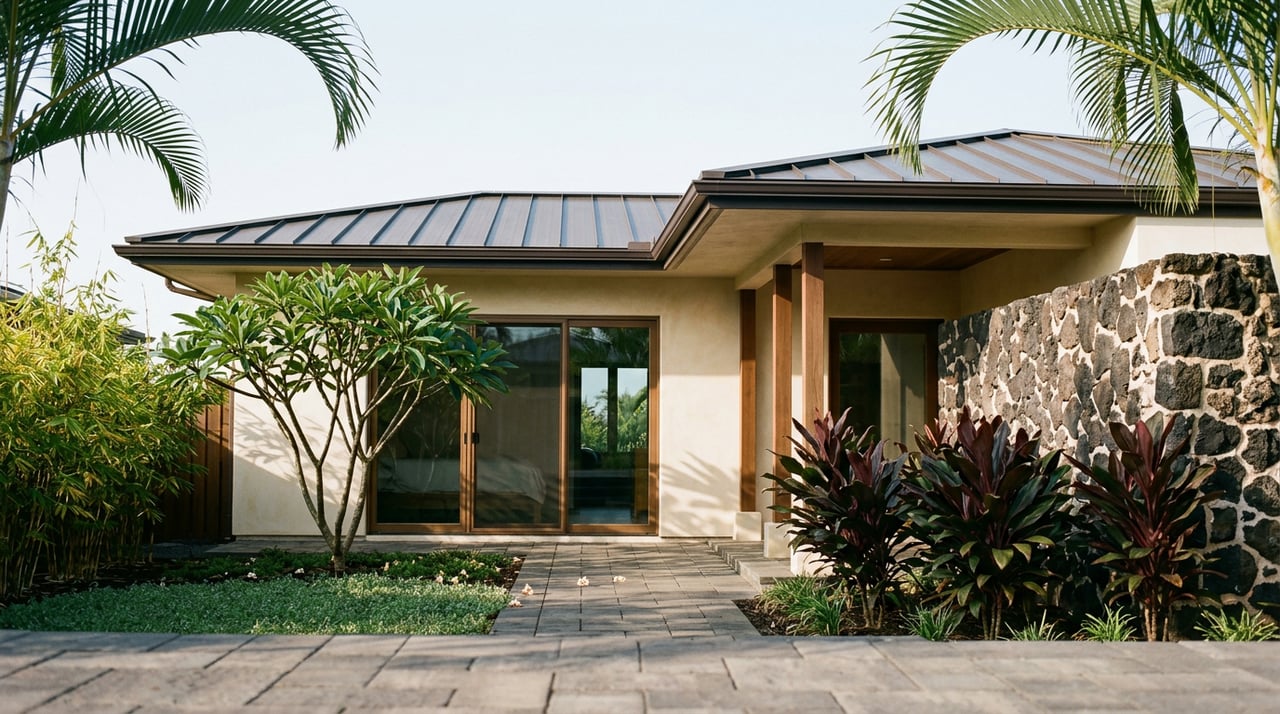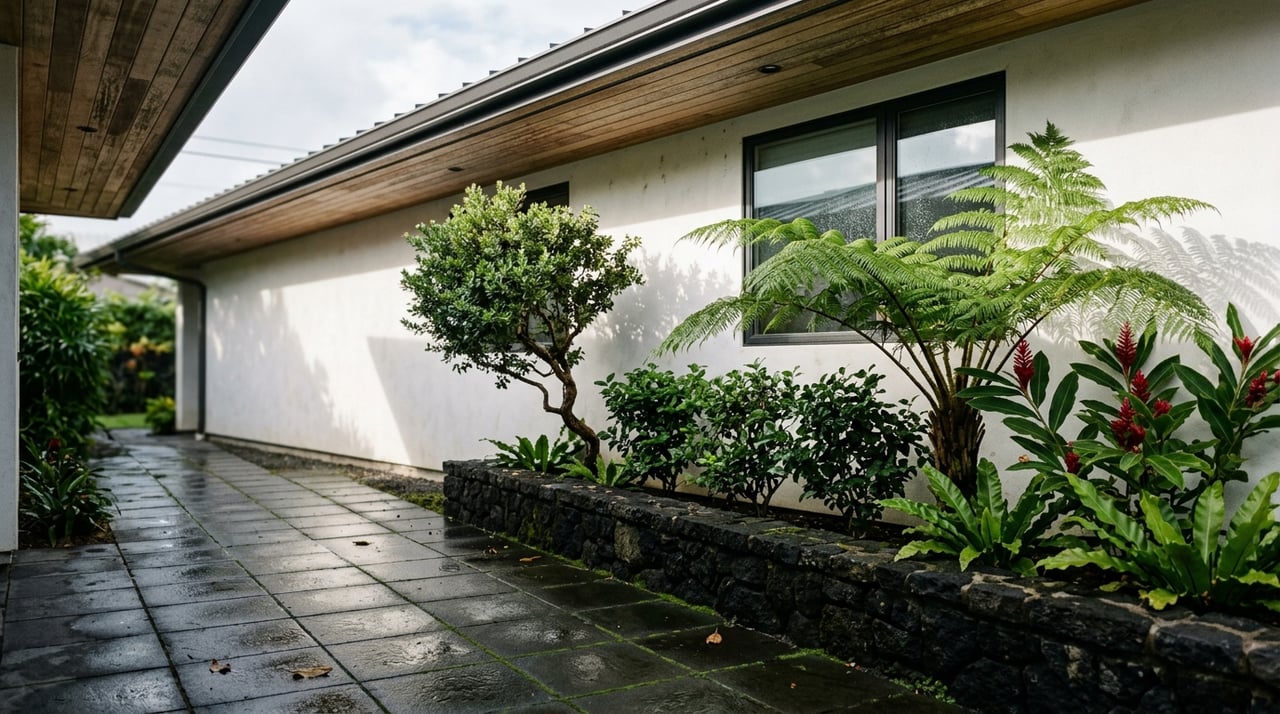
Trying to choose between South Kona mauka and oceanfront? It is one of the most important lifestyle decisions you can make on this side of Hawaiʻi Island, because the two settings can feel very different day to day. If you are weighing cooler upland living against direct shoreline access, this guide will help you compare climate, upkeep, recreation, and property style so you can decide what fits you best. Let’s dive in.
South Kona Means Two Different Lifestyles
In South Kona, “mauka” means toward the mountains. In practical terms, that usually means higher elevation, cooler temperatures, and a greener setting than the coast.
Oceanfront living in South Kona offers a very different experience. Near the shore, properties are generally warmer, sunnier, and more exposed to wind and salt air. That contrast matters because South Kona is a leeward district with a wide range of climate conditions over a relatively small area.
Climate Differences Matter Daily
If comfort is high on your list, climate may be the biggest deciding factor. South Kona’s upland slopes sit within a narrow rainfall belt, where rising air along Hualālai and Mauna Loa creates more rain than most leeward areas usually see.
That pattern shows up clearly in the numbers. NOAA normals for Kailua-Kona Ke-Ahole Airport show about 9.87 inches of annual precipitation, with average daily high and low temperatures of 84.2°F and 72.3°F. By contrast, the Kona Research Station in Kealakekua, at roughly 1,200 to 1,500 feet, reports about 60 inches of annual rainfall and average minimum and maximum temperatures of 60°F and 78°F.
What Mauka Feels Like
Mauka areas are usually cooler and wetter. You may notice more late-day clouds and afternoon showers, which is consistent with Kona’s unusual afternoon rainfall peak.
For many buyers, that is a plus. The cooler air can feel more comfortable, and the extra moisture often supports a greener landscape. If you enjoy spending time outdoors in the yard, that environment can be appealing.
What Oceanfront Feels Like
Oceanfront and near-shore homes are typically warmer and drier. You also get more direct exposure to sun, wind, and salt air.
That can be ideal if you love bright coastal conditions and broad water views. At the same time, it can mean more wear on exterior surfaces, landscaping, and outdoor furnishings over time.
Gardening and Outdoor Use
Your ideal property may depend on how you want to use the land. In South Kona, upland and coastal lots often support very different outdoor lifestyles.
Why Mauka Appeals to Gardeners
The Kona Coffee Belt runs from Holualoa south through Honaunau, and the rainfall belt supports the farms that produce Kona coffee. Fog drip is also an important water source in the middle-elevation zones.
The Kona Research Station is used for coffee, macadamia, protea, taro, figs, avocado, lychee, guava, and other crops. That makes upland South Kona a strong fit if you want fruit trees, small-scale farming, or a more flexible garden environment.
Why Oceanfront Requires More Planning
Coastal planting comes with more challenges. UH sources note that exposure near the ocean can be difficult because of salt spray and wind, and windbreaks may be needed to help protect crops and landscaping.
If you picture low-maintenance tropical planting right by the water, it helps to understand that oceanfront landscaping often needs more careful plant selection and more exterior care. The setting is beautiful, but it is not always forgiving.
Access, Services, and Convenience
Lifestyle is not only about the property itself. It is also about how you move through your week.
Kealakekua and Captain Cook are important inland service centers for South Kona. Kona Community Hospital is in Kealakekua and is described by HHSC as a 94-bed full-service acute-care hospital with 24-hour emergency services. The County also places its West Hawaiʻi District Office in Kealakekua, and Hele-On Route 204 connects South Kona and Captain Cook with Kealakekua, Keauhou Shopping Center, and Kailua-Kona.
Mauka Access Patterns
Many mauka buyers like being closer to the inland service nodes that support daily life. Depending on the exact property, you may feel more connected to practical errands and routines centered around Captain Cook and Kealakekua.
That can be especially helpful if you want a property that balances rural character with reasonable access to essential services. South Kona has retained much of its rural atmosphere, but these hubs remain central to the district.
Oceanfront Access Patterns
Oceanfront buyers are often choosing shoreline immediacy over convenience. In South Kona, coastal living can place you closer to recreation areas, but access is often site-specific rather than simple or uniform.
The County’s South Kona shoreline guide notes that some access points involve rocks or other hazardous terrain. It also warns that coastal areas can be affected by seasonal high surf, strong currents, and hazardous footing.
Recreation Looks Different on the Coast
Oceanfront living can be very appealing if your priority is water access and coastal scenery. South Kona offers major shoreline recreation, but it is important to understand what that really looks like here.
Kealakekua Bay supports swimming, kayaking, snorkeling, fishing, and picnicking. Nāpōʻopoʻo is the only car access to the bay, while Kaʻawaloa Cove is boat-access only. Other coastal areas such as Hoʻokena and Miloliʻi add beach-park or village-scale recreation, with selected sites offering park amenities or camping.
Not Every Oceanfront Setting Is a Beach Setting
This is one of the biggest mindset shifts for buyers. In South Kona, oceanfront often means rocky shoreline, cliffs, or boulder beach rather than a wide sandy beach.
That difference matters when you compare homes. A dramatic shoreline lot may deliver views and proximity to the ocean, but not the kind of easy walk-in beach access some buyers imagine.
Lot Size and Property Style
South Kona’s housing pattern has deep roots. County planning documents describe a traditional settlement pattern that ran from mountain to sea, with a narrow arid coastal strip and inland coffee and farm areas above it.
That pattern still helps explain what buyers often see today. Mauka and oceanfront inventory tend to come with different parcel types, home styles, and lifestyle trade-offs.
What You May Find Mauka
In the coffee belt and agricultural areas, larger rural parcels are more common. The County’s Productive Agriculture designation uses a 5-acre minimum lot size with dwelling density up to 1 unit per 5 acres, which supports the expectation of larger acreage in some upland areas.
As a buyer, that often means looking at rural single-family homes, farm homes, or land parcels where usable outdoor space is part of the appeal. If privacy, planting potential, or room to spread out matter to you, mauka may line up better with your goals.
What You May Find Oceanfront
Coastal inventory is often more compact and more constrained by site conditions. Shoreline homes may place greater value on views, access, and topography than on raw lot size.
In other words, oceanfront decisions are often highly property-specific. Two homes may both be near the water, but their actual usability can differ a lot depending on cliffs, rocks, access points, and exposure.
How To Choose the Right Fit
The best choice usually comes down to how you want to live, not just what sounds more scenic. A beautiful view matters, but your day-to-day comfort matters more.
If you are deciding between mauka and oceanfront in South Kona, ask yourself these questions:
- Do you prefer cooler temperatures or warmer coastal conditions?
- Do you want space for fruit trees, gardening, or small-scale agriculture?
- Are you comfortable with more salt, wind, and exterior maintenance?
- Do you picture regular snorkeling, kayaking, or shoreline time?
- Is proximity to inland service hubs important to your routine?
- Would you rather have a larger rural parcel or a tighter shoreline setting?
Mauka May Be Best for You If
- You want cooler air and more rain
- You value garden potential or agricultural use
- You prefer a greener, rural setting
- You like the idea of more land and flexible outdoor use
Oceanfront May Be Best for You If
- You want direct coastal scenery and shoreline proximity
- You prioritize recreation access over garden flexibility
- You are comfortable with salt air and wind exposure
- You understand that many South Kona shoreline settings are rocky and site-specific
The Smart Way To Compare Homes
In South Kona, broad labels only tell part of the story. Elevation, exposure, access, and lot characteristics can change the experience of a property more than buyers expect.
That is why it helps to compare homes through the lens of daily comfort, maintenance, and how you actually want to use the property. A mauka home may deliver the climate and land you want, while an oceanfront property may be the better fit if being close to the shoreline shapes your ideal Big Island lifestyle.
If you are narrowing your search in South Kona, working with a local team can help you spot the practical differences behind the photos and choose a property that fits how you want to live. When you are ready to explore South Kona neighborhoods, acreage, or shoreline homes, connect with Kona Pacific Realty, LLC.
FAQs
What does mauka mean in South Kona real estate?
- Mauka means toward the mountains, and in South Kona it usually refers to higher-elevation areas that are cooler and wetter than the coast.
Is South Kona mauka cooler than oceanfront?
- Yes. Research in the area shows that upland zones such as Kealakekua are generally cooler than the coast, with lower average temperatures and much more rainfall.
Is oceanfront South Kona always a sandy beach location?
- No. In South Kona, oceanfront often means rocky shoreline, cliffs, or boulder beach rather than a broad sandy beach.
Are mauka properties in South Kona better for gardening?
- They often are, because upland South Kona has more rainfall and supports crops such as coffee, avocado, lychee, guava, macadamia, and other plantings.
Are South Kona oceanfront homes more exposed to maintenance issues?
- They can be, because near-shore properties are generally more exposed to sun, wind, and salt air, which can affect landscaping and exterior upkeep.
Which South Kona areas serve as key inland hubs?
- Kealakekua and Captain Cook are important inland service centers, with hospital access, county services, and regional bus connections playing a central role in daily convenience.