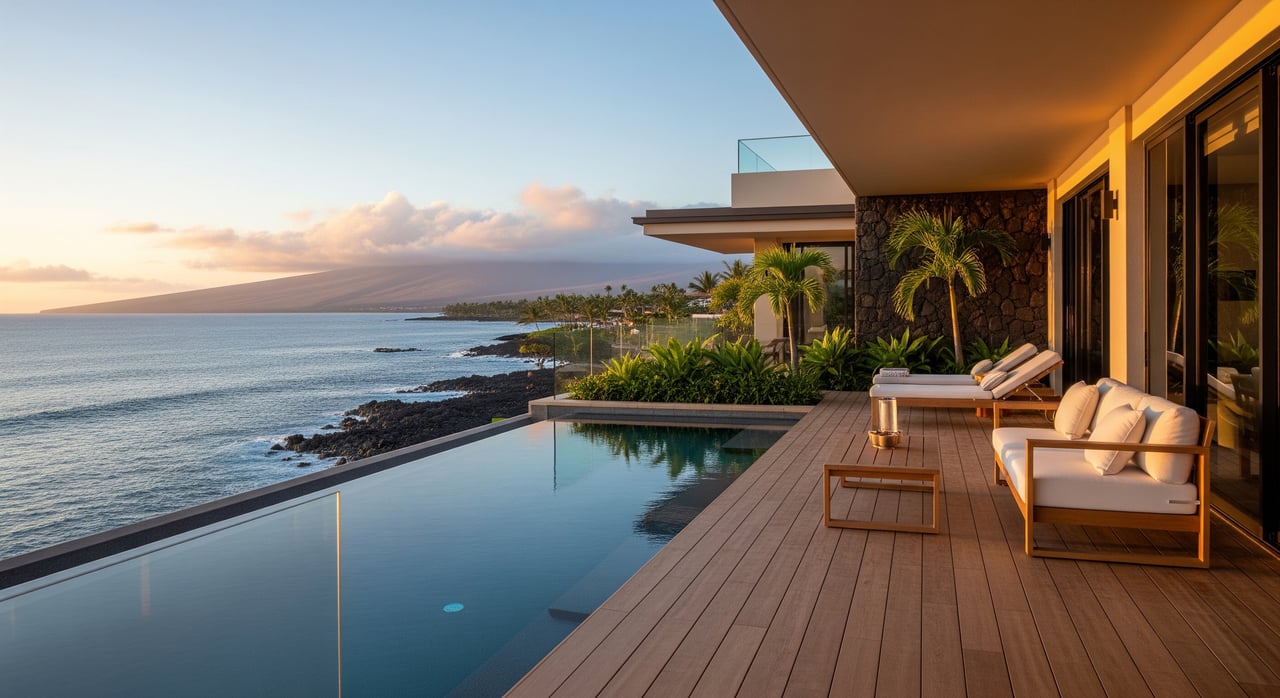
Dreaming of a front‑row seat to Kona sunsets, with waves in your soundtrack and the shoreline just steps away? If you are exploring oceanfront condos in North Kona, you already know the options can feel exciting and a bit overwhelming. You want the right building, the right rules, and the right value for your lifestyle or investment goals. In this guide, you will learn how to zero in on the best oceanfront condo buildings in the Kailua‑Kona area using a clear, local‑minded checklist. You will also know which hazards and regulations matter most before you buy. Let’s dive in.
What counts as oceanfront in Kona
In North Kona, “oceanfront” typically means a building that sits directly on the shoreline or immediately adjacent to it. Many properties along the Aliʻi Drive corridor and near Honokōhau Harbor meet this test. Some buildings front open ocean, while others face a more protected bay or marina setting. Your day‑to‑day experience can feel very different depending on exposure, surf, and how close common areas are to the water.
- Direct oceanfront: Building or common areas sit immediately on the shoreline.
- Near‑ocean or oceanview: Across a shoreline right‑of‑way or public road, often with strong views but different coastal exposure.
- Harbor or bay frontage: Calmer water feel and convenient boat access, with a different view dynamic than open surf.
How we identify the “best” buildings
To fairly compare oceanfront condos, use a consistent scorecard. Focus on both lifestyle and financial fundamentals.
- Location and exposure: Distance to Kailua Village restaurants and shops, harbor and marina access, shoreline type, and surf exposure.
- Ownership and title: Fee simple vs leasehold. Leasehold can change value, monthly costs, and financing options.
- Building quality: Year built, construction type, recent upgrades, elevator access, and coastal durability.
- HOA strength: Dues, reserves, insurance coverage, special assessments, and governance.
- Amenities and services: Pool, hot tub, BBQs, parking, storage, property management, and security.
- Rental rules and demand: Whether short‑term rentals are permitted, typical occupancy patterns, and guest policies.
- Risk profile: Flood zone, tsunami evacuation zone, coastal erosion potential, and lava zone.
- Market performance: Recent comps, price per square foot trends, days on market, and turnover.
Use this scorecard to prioritize your shortlist, then request building packets and verify details before you make offers.
North Kona oceanfront zones at a glance
Several shoreline micro‑areas help shape your lifestyle and investment outcome.
- Kailua Village and Aliʻi Drive: Walkability to dining and shops, lively oceanfront scene, and a mix of buildings that range from vacation‑rental friendly to community‑oriented residences.
- Keauhou and Kealakekua side: South of the village, where you will find shoreline pockets near snorkeling and calmer coves, along with resort‑adjacent amenities.
- Honokōhau Harbor area: Access to boating and fishing, with a distinct marina‑front lifestyle and proximity to Kona International Airport at Keāhole.
Fee simple vs leasehold, and why it matters
Ownership type is a core value driver in Hawaiʻi. Fee simple means you own the unit and a share of the land interest. Leasehold means you own the unit but lease the land from a separate party. That lease has a finite term and may include payment escalations.
- Value impact: Leasehold condos often price lower than comparable fee simple units because of the lease term and future uncertainty.
- Financing: Some lenders apply stricter underwriting to leasehold, older buildings, or projects with limited reserves.
- Exit strategy: Remaining lease term affects resale appeal. Understand renewal clauses and timelines before writing an offer.
Short‑term rentals, taxes, and building rules
If you plan to operate a vacation rental, confirm that the building allows short‑term rentals and that zoning and county rules support it. Also confirm association guest policies and any on‑site management requirements.
- State taxes: Owners who rent must register and collect the Transient Accommodations Tax and General Excise Tax. Review guidance from the Hawaiʻi Department of Taxation on TAT and GET.
- County and zoning considerations: Check the Hawaiʻi County Planning Department for local short‑term rental rules, registration requirements, and any permit or zoning limitations.
- Building CC&Rs: Association rules override intentions. Some buildings allow STRs, others limit to long‑term tenants.
Tip: For investor buyers, ask for historical occupancy and gross revenue estimates from project‑level data sources and on‑site managers, then confirm assumptions against actual STR rules in the recorded documents.
Coastal hazards you must verify
Oceanfront living is special. It also requires informed risk management. Before you buy, confirm the following for the specific parcel and building.
- FEMA flood zone and insurance requirements: Use the FEMA Flood Map Service Center to verify flood designations and whether separate flood insurance applies beyond the condo master policy.
- Tsunami evacuation zone: Check evacuation mapping via the Hawaiʻi Emergency Management Agency tsunami resources. Understand routes and building protocols.
- Sea‑level rise and shoreline change: Explore long‑term scenarios with the NOAA Sea Level Rise Viewer. Combine this with on‑site observations at high and low tide.
- Lava hazard zone: Confirm the parcel’s lava zone using the USGS Hawaiian Volcano Observatory lava hazard information.
Insurers and lenders evaluate these same factors. Higher coastal exposure can increase premiums or underwriting scrutiny. Strength in the HOA’s reserves and master insurance coverage helps mitigate risk and surprises.
HOA dues, reserves, and insurance basics
HOA dues vary by building and can change over time with maintenance needs and insurance costs. Ask for the latest budget, reserve study, and recent meeting minutes.
- What dues often cover: Common area maintenance, water, sewer, trash, master insurance, and sometimes basic cable or internet.
- Reserves and special assessments: Review reserve balances, planned projects, and whether large capital items are fully funded.
- Insurance scope: The association’s master policy will outline building coverage. Confirm whether separate unit‑level flood or wind coverage is required.
A healthy HOA with transparent governance and good reserves often translates to better long‑term value and fewer surprises.
Financing considerations for oceanfront condos
Lenders often apply additional risk screens for oceanfront projects, older buildings, or projects with limited reserves. Expect possible higher down payments or tighter ratios.
- Project approval: Ask your lender whether the building is on an approved list and what documentation they require.
- Leasehold nuance: If the building is leasehold, underwriting will consider remaining lease term and payment escalations.
- Insurance verification: Lenders will review flood zone status and the association’s master policy, including wind and hurricane coverage.
Pricing, comps, and value drivers
Oceanfront pricing in North Kona varies by micro‑location, floor height, view plane, building condition, and rental potential. To get centered on value:
- Pull recent sales: Ask for the last six to twelve months of comparable sales in the same building and immediate shoreline area.
- Adjust for view and floor: Higher floors and cleaner sightlines often command premiums.
- Factor building updates: Newer roofs, elevator modernizations, plumbing reroutes, and exterior refreshes can support stronger resale values.
- Check days on market and turnover: Seasonality and tourism patterns can shift listing timelines.
Use the Hawaiʻi County Real Property Tax Division and county parcel records alongside MLS data to confirm ownership type, tax map keys, and recorded facts.
The smart way to tour oceanfront buildings
Walking a property tells you what online photos cannot. Make time for:
- High‑tide and low‑tide visits: Note wave run‑up, spray on lanais, and beach width variations.
- Common area walk‑through: Check pool edges near the shore, seawall condition, and BBQ areas for salt exposure.
- Noise and privacy: Listen for surf, street, and neighboring activity at different times of day.
- Access and parking: Confirm elevator reliability, guest parking availability, and storage options.
- HOA culture check: If possible, attend an HOA meeting or review recent meeting minutes to get a feel for governance and neighbor expectations.
For investors: balancing rental potential and risk
Buildings that legally permit short‑term rentals can offer strong occupancy tied to Kona’s tourism. What to evaluate:
- Verified STR rules: Confirm nightly rental permissibility in the CC&Rs and any county registration requirements.
- Historic demand: Review occupancy patterns and seasonal swings. Winter and event periods can spike demand.
Remember to model all costs, including HOA dues, cleaning and management fees, utilities, GET and TAT, and insurance. Budget for reserves and refreshes that keep your unit guest‑ready.
For full‑time owners: quality of life factors
If you plan to live in your condo, weigh comfort and community alongside price.
- Building vibe: Some buildings feel resort‑like, others feel residential and community‑oriented.
- Quiet enjoyment: Study noise patterns and house rules. Confirm pet policies.
- Everyday convenience: Proximity to groceries, health services, and your favorite activities matters more for daily living than for vacation stays.
For sellers: what to do before you list
Oceanfront buyers are detail‑oriented. Position your condo thoughtfully.
- Refresh smartly: Kitchens, baths, flooring, AC, and modernized slider doors often draw attention. Coastal‑tough finishes help.
- Prove the value: Prepare a recent comp set, HOA minutes, reserve statements, insurance summary, and a clear rental history if applicable.
- Market clearly: Showcase view lines at different times of day, emphasize walkability, and include tide‑aware photos.
Your next steps and how we help
Choosing among North Kona’s oceanfront condo buildings gets easier with a clear plan and local expertise. Here is a simple step‑by‑step path:
- Build your shortlist. Focus on location, ownership type, rental rules, and amenities that fit your goals.
- Verify the facts. Pull HOA packets, check flood and tsunami maps via the FEMA Flood Map Service Center and HI‑EMA tsunami resources, and confirm sea‑level‑rise scenarios with the NOAA Sea Level Rise Viewer.
- Walk the buildings. Tour at high and low tide. Talk with on‑site managers and residents.
- Align financing early. Get project approval guidance from your lender and review insurance requirements.
- Make a confident offer. Use fresh comps and a clear understanding of dues, reserves, and rules.
If you want a curated, up‑to‑date shortlist tailored to your lifestyle or investment goals, our Kailua‑Kona team is ready to help. Connect with Kona Pacific Realty, LLC for building‑level packets, verified comps, and a calm, confident path to the right oceanfront home.
FAQs
What does “oceanfront” mean for North Kona condos?
- In Kona, oceanfront typically means the building sits directly on or immediately adjacent to the shoreline, not across a highway or deep inland.
How do leasehold condos affect price and financing in Hawaiʻi?
- Leasehold units often list for less than fee simple, but lease terms and payment escalations can limit financing and influence long‑term value.
Are short‑term rentals allowed in all North Kona oceanfront buildings?
- No. STR rules vary by building and zoning. Verify CC&Rs and check county requirements with the Hawaiʻi County Planning Department.
What taxes apply if I operate a vacation rental in Kona?
- Rentals generally require registration and collection of both the Transient Accommodations Tax and the General Excise Tax per the Hawaiʻi Department of Taxation.
How can I check flood and tsunami risks for a specific building?
- Look up the parcel in the FEMA Flood Map Service Center and review evacuation mapping via HI‑EMA tsunami resources.
Where can I review sea‑level‑rise impacts on Kona’s shoreline?
- The NOAA Sea Level Rise Viewer shows long‑term scenarios you can compare with on‑site observations at high and low tide.
How do I confirm a Kona condo’s parcel data and ownership type?
- Use county parcel records through the Hawaiʻi County Real Property Tax Division and request the building’s recorded condo documents.
Do lenders treat oceanfront condo loans differently in Hawaiʻi?
- Often yes. Some projects require larger down payments or added documentation, especially if older, leasehold, or with limited reserves.