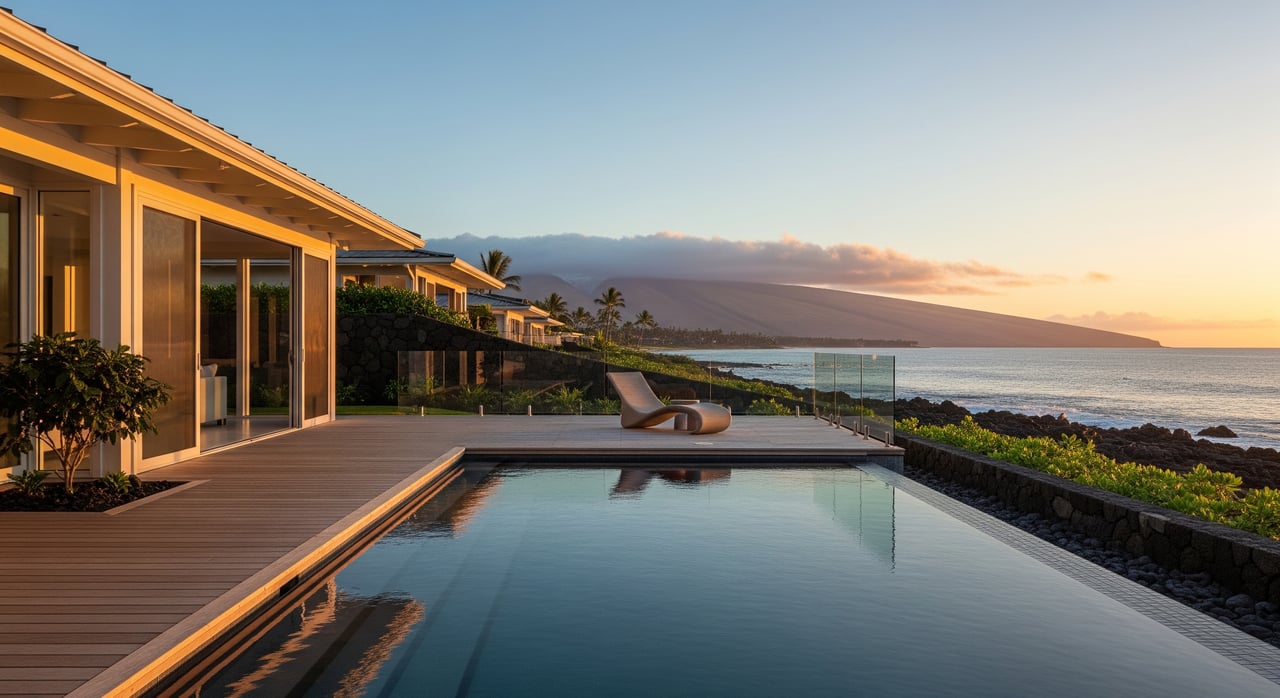
Picture yourself choosing between warm ocean breezes and cool, green coffee country just 15 minutes up the hill. In North Kona, everyday life shifts quickly with elevation, from sunny shoreline mornings to misty mauka afternoons. If you are weighing a move, you want a clear view of climate, neighborhoods, commute, services, and the real costs of ownership. This guide breaks it down so you can match your lifestyle to the right corner of the Kona Coast. Let’s dive in.
North Kona at a glance
North Kona sits on the leeward side of Hawaiʻi Island, centered on Kailua‑Kona and the western slopes of Hualālai and Mauna Loa. The area spans from sea level up into the hills, where coffee farms dot the landscape. You will see the most activity near downtown Kailua‑Kona and along Aliʻi Drive, with residential neighborhoods stepping inland above the coastal highway.
Climate is one of the biggest draws. Daytime temperatures along the coast commonly run in the mid 70s to mid 80s year-round. It is sunnier and drier makai near the water, and cooler, greener, and wetter mauka as you climb in elevation. These microclimates shape daily life, from gardening potential to how much you use a screened lanai.
Be aware of natural factors. Kona is on an active volcanic island, and air quality can shift when winds carry vog. Some coastal parcels are in mapped tsunami, flood, or storm surge zones, and older properties may have cesspools that face conversion requirements. If you plan to buy, it is smart to review parcel-specific maps and utility details during due diligence.
Mauka vs makai: choosing your vibe
The right fit often comes down to whether you prefer the coast or the hillside. Here is how the two compare.
- Climate and landscape
- Makai: sunnier, drier, breezier air, easy beach access, and fewer mosquitoes.
- Mauka: cooler temperatures, more rainfall, lush vegetation, and more mosquitoes.
- Lifestyle and pace
- Makai: walkable access to restaurants, shops, and ocean activities near Kailua‑Kona and Aliʻi Drive.
- Mauka: quieter, more private settings with a rural feel and room for gardens or coffee.
- Views and privacy
- Makai: direct water access and ocean views in many areas.
- Mauka: elevated, panoramic ocean vistas with added privacy between homes.
- Practical upkeep
- Makai: salt air means more exterior maintenance and corrosion control.
- Mauka: longer drives to services and upkeep needs like drainage and driveway care.
- Best fit
- Makai suits you if you want beach time, social amenities, or walkability.
- Mauka suits you if you want cooler air, space to grow, and a calmer daily rhythm.
Neighborhood snapshots
Downtown Kailua‑Kona and Aliʻi Drive
This is the heart of daily life on the Kona Coast. You will find restaurants, shops, harbor access, and plenty of condo options. If you value a park‑once lifestyle, this is the most walkable part of North Kona.
Keauhou and Keahole corridor
Resort hubs and condo communities cluster here, with shoreline access and services a short drive away. Kona International Airport sits nearby, which is a plus if you travel often. Many buyers in this corridor look for convenience to flights and ocean recreation.
Holualoa on the slopes
Set mauka on Hualālai’s slopes, Holualoa blends a historic town center, art galleries, and coffee country. You can expect cooler afternoons, greenery, and a quieter pace. Buyers who want space for gardens or small agricultural projects often look here.
Honalo, Kealakehe, and inland Keauhou
These inland neighborhoods offer a mix of established subdivisions and newer builds. Lot sizes and home styles vary, with options that can balance privacy and access to town. If you want a traditional single‑family neighborhood above the bustle, put these on your list.
Housing types and what to expect
You will see a wide range of homes across North Kona.
- Condominiums
- Common along Aliʻi Drive and near resort areas.
- Range from older, modest complexes to premium oceanfront communities.
- Popular with second‑home buyers and investors exploring short‑term rentals, where allowed.
- Single‑family homes
- Found across both coastal and mauka neighborhoods.
- Styles include ranch, plantation‑inspired designs, custom builds, and oceanfront estates.
- Mauka parcels may include acreage suited for gardens or coffee.
- Utilities and infrastructure
- Many coastal developments have county water and sewer where available.
- Mauka and rural properties often use water catchment and septic, and some older homes have cesspools.
Prices vary widely by location, view, and property condition. Desirable coastal homes and well‑located condos can move quickly. Mauka properties can offer more space per dollar, especially if you value privacy and cooler weather. For current numbers on inventory and days on market, review up‑to‑date local MLS reports during your search.
Daily life: getting around and services
Most residents rely on a car. Inside Kona, day‑to‑day drives are short, though traffic can back up near Aliʻi Drive and Mamalahoa Highway during busy hours or events. The county’s Hele‑On bus offers limited service, and ride shares and taxis operate on a smaller scale than Oʻahu. Kona International Airport on the northwest coast provides interisland and mainland flights, which is a key convenience for many.
Grocery shopping includes national chains and local markets. You can also stock up on produce and goods at the Kailua‑Kona Farmers Market. Banking, mail, and government services are located in or near downtown.
Primary care and urgent care clinics are available locally. For some specialized services, residents may travel to Hilo, Waimea, or even Oʻahu depending on the need. Planning for healthcare access is a smart part of choosing your neighborhood.
Public schools that commonly serve North Kona include Kealakehe High School and Konawaena High School, with several elementary and middle options in the wider district. Attendance boundaries can vary, and some private or charter choices exist. If schools are a priority, confirm specific addresses during your home search.
Internet, utilities, and the fine print
Electricity on Hawaiʻi Island typically costs more than many mainland markets. That is important for budgeting air conditioning, appliances, and EV charging. Water and sewer service are common in developed coastal areas, while many mauka homes rely on catchment tanks, septic systems, or older cesspools.
Internet access has improved, with fiber in some parts of Kona. Other neighborhoods rely on DSL, fixed wireless, or satellite. If you work from home, verify service at the exact address before you write an offer.
Cesspool conversion is an ongoing statewide issue. If a property has a cesspool, plan for potential upgrades or timelines. You should also consider flood or storm surge coverage for coastal properties, and the impact of salt air on exterior finishes, windows, and vehicles.
Ownership costs and rules to know
- Property taxes and insurance
- Hawaiʻi County assessments and tax rates may feel different from what you are used to on the mainland.
- Coastal properties may require wind or flood coverage, and premiums can be higher in certain zones.
- Maintenance
- Salt air speeds corrosion on hardware, railings, and outdoor furniture.
- Regular exterior care is part of Kona homeownership, especially near the ocean.
- Short‑term rentals and zoning
- Hawaii County regulates transient vacation units and short‑term rentals.
- Allowed uses vary by parcel and zoning, and many HOAs have their own rules.
- If rental income is part of your plan, confirm current regulations and any permit needs before you buy.
Quick fit guide
Use this simple checklist to narrow your search:
- You want walkable dining, beach time, and social energy
- Focus on makai neighborhoods near Kailua‑Kona and Aliʻi Drive or resort‑area condos.
- You want cooler afternoons, privacy, and room to grow
- Focus on mauka areas such as Holualoa or inland subdivisions.
- You travel often
- Consider areas with easy access to Kona International Airport.
- You plan to garden or consider small agricultural use
- Look at mauka parcels with appropriate zoning and rainfall.
- You plan to rent your home short term
- Filter for parcels and communities that permit STRs and review HOA and county rules.
- You work from home
- Confirm internet type and speed for each property before writing an offer.
The Kona lifestyle, day to day
Life here leans outdoors. On the coast you can swim, snorkel, paddle, or book a night manta experience with licensed operators. Up the hill you can tour coffee farms, browse Holualoa’s galleries, and enjoy cooler evenings. Community events, farmers markets, and seasonal festivals add a steady rhythm to local life. During large events, expect heavier traffic and busier restaurants, especially downtown.
Bringing it all together
Living in North Kona means choosing the microclimate and pace that fits you best. If you want ocean access and walkability, the coast delivers. If you want green space, views, and cooler air, the mauka slopes shine. Either way, the details matter, from utilities and internet to rental rules and maintenance.
When you are ready to explore, connect with a local advisor who lives and works here. With me ke aloha pumehana, our team helps you match lifestyle, budget, and property type with confidence. Reach out to Kona Pacific Realty, LLC to start a tailored Kona search or request a free home valuation.
FAQs
What is North Kona’s climate compared to the east side?
- The Kona side is sunnier, drier, and warmer than the east side, with coastal daytime temperatures commonly in the mid 70s to mid 80s and cooler conditions at higher elevations.
What is the difference between mauka and makai living in North Kona?
- Makai is coastal, sunny, breezy, and walkable to dining and beaches, while mauka is cooler, greener, quieter, and better for space, gardens, and panoramic views.
Are short‑term rentals allowed in North Kona?
- It depends on zoning and parcel rules, and many HOAs add their own restrictions, so verify current county regulations and any required registrations before buying.
What should I know about utilities and cesspools in North Kona?
- Coastal areas often have county water and sewer, while mauka properties may use catchment and septic or older cesspools that could require conversion under statewide rules.
How reliable is internet service across North Kona?
- Availability varies by neighborhood, with fiber in some areas and DSL, fixed wireless, or satellite in others, so confirm service at the specific address you are considering.
Where are the main shopping and services in North Kona?
- Most services cluster around downtown Kailua‑Kona, with grocery stores, clinics, banks, and the Kailua‑Kona Farmers Market offering day‑to‑day convenience.
Which public high schools serve North Kona addresses?
- Kealakehe High School and Konawaena High School commonly serve North Kona, though attendance boundaries vary, so confirm school assignments for each property.