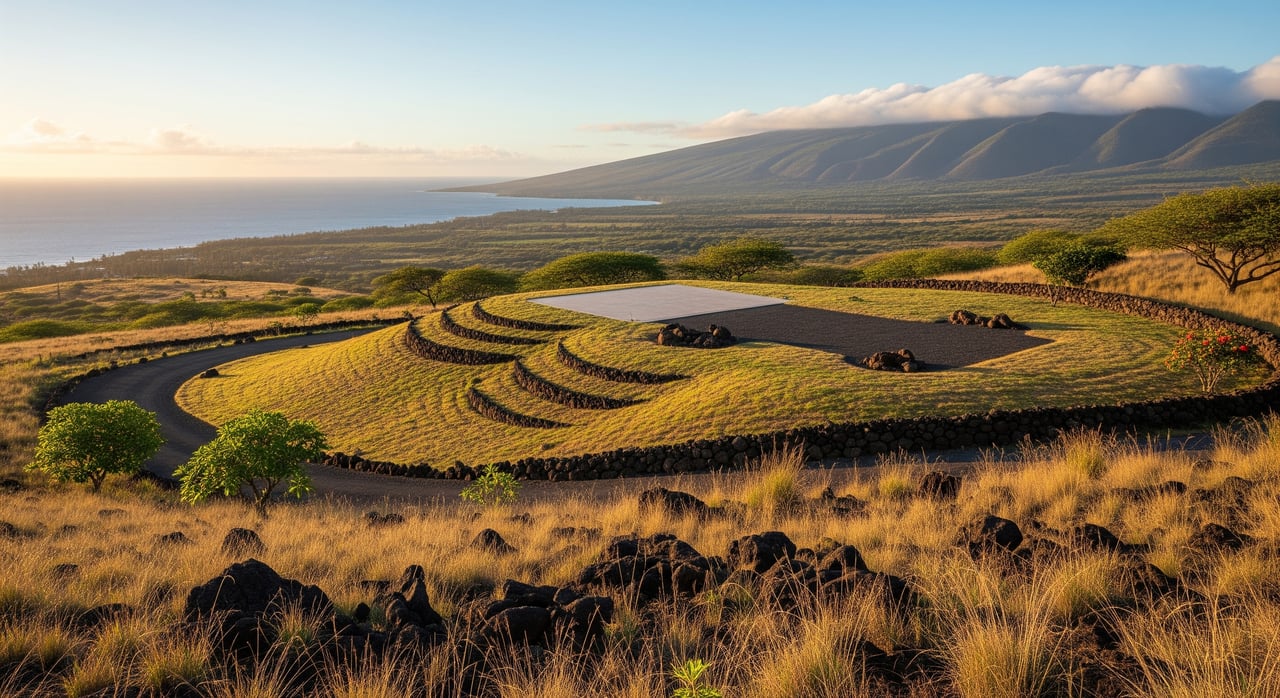
Staring at a beautiful North Kohala lot and wondering, can I really build here? You are not alone. On Hawai‘i Island, a parcel can look perfect and still hide zoning limits, water constraints, or cultural protections that change the plan. This guide gives you a clear checklist to evaluate buildable land in North Kohala so you can move forward with confidence and realistic costs.
You will learn how to verify land designations, assess slope and soils, confirm water and wastewater options, check utilities and access, and plan a smart permit sequence. Let’s dive in.
Start with land designations
Before sketches and budgets, confirm how the land is classified. Hawai‘i uses several layers that govern what you can build and how.
- State Land Use districts set the big picture: Urban, Rural, Agricultural, or Conservation. Confirm your parcel’s district with the State Land Use Commission.
- County zoning controls the allowed uses, minimum lot size, building setbacks, height, and whether accessory units or short-term rentals are permitted. Review zoning and Special Management Area boundaries with the Hawaii County Planning Department.
- Overlays and restrictions matter. Coastal parcels may be in the Special Management Area. Some lands carry historic, cultural, or conservation protections that add review or limit development.
If a parcel is in Agricultural or Conservation districts, you may face stricter limits or require variances. Early clarity here prevents costly redesign later.
Study slope, soils, and hazards
Even when zoning allows a home, the site itself can raise costs or risks. North Kohala ranges from coastal lowlands to steep slopes near the Kohala Mountains. A careful site assessment helps you budget correctly.
Topography and geotechnical
Order a topographic survey and a geotechnical report. Steep grades can trigger engineered foundations, retaining walls, and robust erosion control. Gulches, ephemeral streams, and prior slope instability raise red flags that may change your layout or require mitigation.
Ask your engineer to outline grading needs, footing types, and any special drainage details. These items affect permit timing and construction cost more than almost anything else besides water.
Flood, lava, and tsunami checks
Confirm your flood status on the FEMA Flood Map Service Center, then note any coastal tsunami exposure. While North Kohala generally has lower lava hazard than other island districts, you should still verify your parcel’s designation using the USGS lava flow hazard zones. If the site is coastal, check SMA triggers with the County Planning Department.
Confirm your water plan
Water is often the make-or-break factor. In rural parts of North Kohala, County water is limited and many owners rely on wells or rainwater catchment.
County water availability
Request a water availability letter for your TMK from the Hawaii County Department of Water Supply. This confirms whether a meter is available, what size is feasible, and whether off-site improvements are needed. If County water is not available, you will need a well or a catchment system designed to local rainfall patterns.
Private well feasibility
Well drilling is regulated. Confirm aquifer rules, well setbacks, and permit steps with the Commission on Water Resource Management. A licensed well driller can assess local hydrogeology and costs. If a well is not feasible, plan for rainwater catchment and adequate storage.
Rainwater catchment
Rainfall varies by elevation and orientation in North Kohala. If you plan catchment, size tanks and roof area to match expected rainfall and household needs. Account for filtration, UV treatment, and maintenance in your budget. Lenders may request proof of a safe, reliable system.
Plan for wastewater approvals
Most new homes require an on-site wastewater system. Many legacy properties still have cesspools, but new development must meet current standards.
- Start with percolation tests and a soils profile. These determine whether a standard septic or an engineered system is required.
- Work with a septic designer who understands the County and State process. The Hawaii Department of Health wastewater program sets design and approval standards.
- If soils are poor or shallow, you may need an advanced aerobic treatment unit. These systems cost more and require regular service, so build that into your plan.
Verify utilities and access
Confirm how you will power the home and reach it during all seasons. Many buyers underestimate these costs.
- Electricity: Check proximity to lines and potential extension costs with Hawaii Electric Light on the Hawaiian Electric Hawaii Island page. Long runs or transformers can add tens of thousands of dollars. Many owners choose solar plus batteries if that pencils out better.
- Broadband and phone: Coverage varies by area. Wireless or satellite may be the most practical option in some rural locations.
- Road access: Determine if the road is County-maintained, private with a recorded maintenance agreement, or unimproved. Lenders and insurers often require legal access and reasonable road conditions.
Respect cultural and coastal resources
North Kohala’s cultural and historic significance means you should plan for archaeological review in sensitive areas. If the parcel is likely to contain cultural resources, consult the State Historic Preservation Division. You may need an Archaeological Inventory Survey and a plan for inadvertent discoveries.
If any portion of your parcel is in a Conservation District or near the shoreline, rules are stricter. Review requirements with the DLNR Office of Conservation and Coastal Lands and confirm SMA implications with County Planning.
Permits, timeline, and sequencing
Map out your due diligence and permit path before you open escrow. A clear sequence keeps you on track and avoids rework.
- Initial review and site visit: 1 to 3 weeks to gather the title report, TMK, and existing surveys, and to walk the site in both dry and wet weather.
- Surveys and studies: 4 to 12 weeks for boundary and topo surveys, perc and soils testing, and a geotechnical report. Add time if an archaeological survey is required.
- Permit package: 2 to 8 weeks to assemble plans, wastewater designs, and utility letters.
- Building permit review: a few weeks to several months depending on scope and County backlog.
- Construction: several months to a year plus, depending on design complexity and materials.
Your parcel due diligence checklist
Use this checklist to organize your evaluation and reduce surprises:
- Title report, deed, TMK, and legal description
- County zoning and State Land Use district confirmation
- Water availability letter or plan for well or catchment
- Boundary and topographic surveys showing easements and access
- Geotechnical report with foundation and grading recommendations
- Percolation test and septic feasibility aligned with DOH standards
- Road access verification and any maintenance agreements in writing
- Flood, tsunami, and lava hazard checks on FEMA and USGS resources
- Archaeological Inventory Survey or SHPD consultation if applicable
- Utility feasibility with electric provider and broadband options
Budget for real costs
Set a realistic budget before you commit. Consider these common buckets:
- Surveys and technical studies: boundary, topo, perc, geotech, and any archaeological work
- Water and wastewater: meter fees or well costs, tanks and filtration, septic or engineered systems
- Power: line extensions or solar plus batteries, potential transformer costs
- Road and access: grading, surfacing, and ongoing private road maintenance
- Permitting: County and State fees, plan review, and consulting
- Contingencies: unexpected soil conditions, mitigation, or design changes
A practical budget adds contingencies for rural infrastructure and environmental review, especially on larger or sloped parcels.
Why local guidance matters
Evaluating land in North Kohala is not just a zoning check. It is a multi-step process that blends maps, science, culture, and design. A coordinated team helps you move faster and avoid missteps. Your core group should include a surveyor, civil and geotechnical engineers, a septic designer, and when appropriate an archaeologist and well driller. An architect or design-build contractor can help you price realistic options early.
If you want a trusted, relationship-focused guide with deep West Hawai‘i experience, our team is here to help you line up the right experts, gather the correct records, and evaluate the true build path for your parcel.
Ready to talk through a specific lot or plan a targeted property search? Reach out to Kona Pacific Realty, LLC for local guidance rooted in decades of island experience.
FAQs
What should I check first when buying North Kohala land?
- Confirm State Land Use district and County zoning, then verify water options and legal access before anything else.
How do I confirm County water for a Kohala parcel?
- Request a water availability letter for the TMK from the Hawaii County Department of Water Supply to see if a meter is possible.
Can I drill a private well instead of using County water?
- Possibly, but you must confirm rules and permits with the Commission on Water Resource Management and a licensed well driller.
What if soils do not support a standard septic system?
- An engineered aerobic treatment unit may work, but it costs more and requires approval under Hawaii DOH wastewater standards.
How do I check lava, flood, and tsunami risks for a parcel?
- Review USGS lava hazard zones and your status on the FEMA Flood Map Service Center, then confirm any coastal exposure with County Planning.
When are cultural or archaeological surveys required?
- Parcels in culturally sensitive areas or with known resources may need review or an AIS through the State Historic Preservation Division; ask early in due diligence.